Nano Masters AI Restaurant Chain
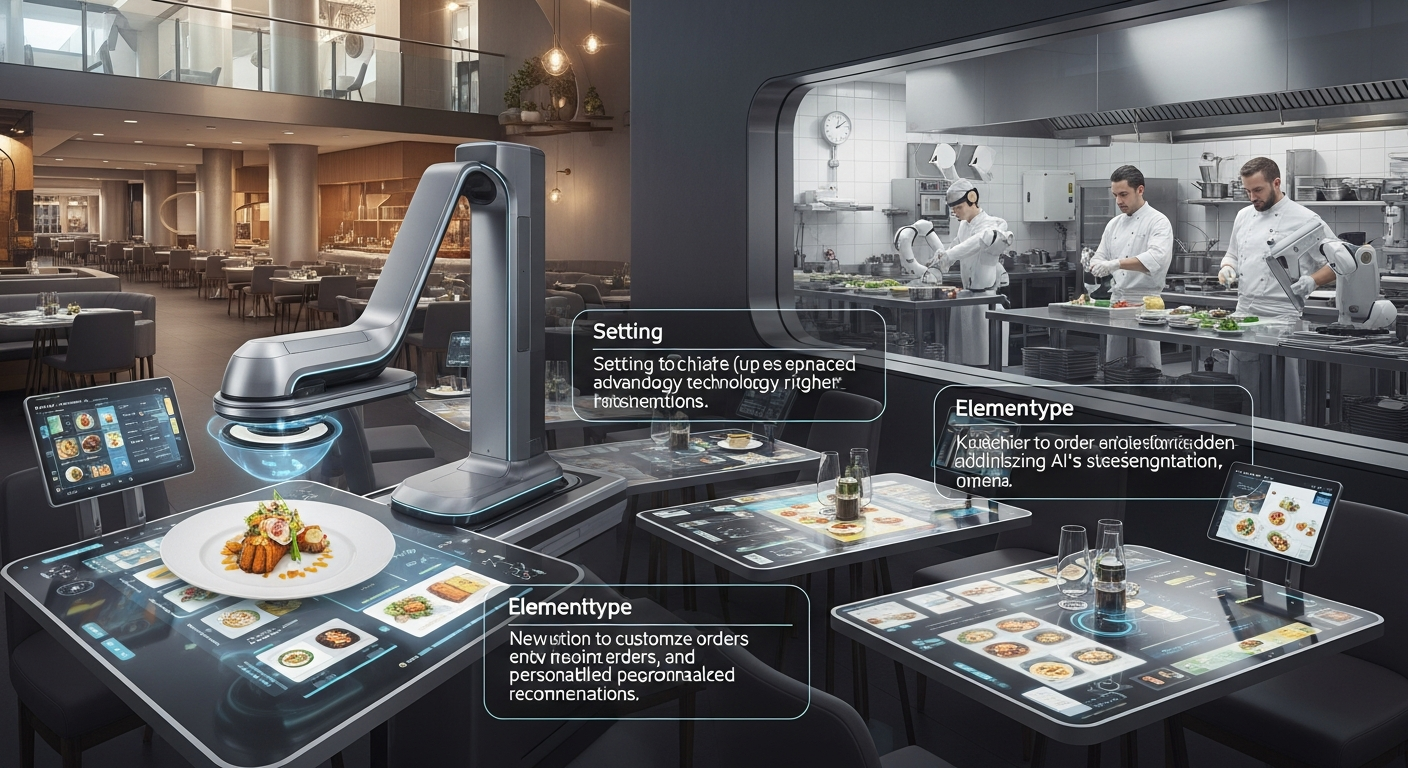
Nano Masters AI Restaurant Chain is a technology-driven dining brand that uses artificial intelligence to streamline operations, personalize customer experiences, and optimize menu development across its locations. By leveraging data analytics, automation, and smart kitchen systems, the company focuses on consistent quality, efficient service, and scalable restaurant management.
About Nano Masters AI Restaurant Chain
Nano Masters AI Restaurant Chain is a modern restaurant brand built around data-driven decision-making. The company applies artificial intelligence, automation, and smart kitchen systems to deliver consistent food quality and faster, more reliable service across a large, multi-location footprint. At the core of the brand is an operating stack that connects guest ordering, kitchen execution, inventory, and labor planning into a single feedback loop. By continuously learning from demand patterns, ingredient performance, and service times, Nano Masters AI improves throughput while maintaining brand standards. On the guest side, personalization is designed to feel helpful rather than intrusive. Recommendations, promotions, and loyalty experiences are tuned to local preferences and individual behaviors, while preserving privacy-aware practices and minimizing friction at checkout. Nano Masters AI also treats menu development as an iterative product cycle. Concepts are tested, measured, and refined using real-time performance signals (sell-through, margins, prep complexity, and satisfaction), enabling rapid scaling of high-performing items. As a large employer in the restaurant industry, the company focuses on scalable training, clear operating playbooks, and tools that help teams spend less time on repetitive tasks and more time on hospitality and execution.
What we offer
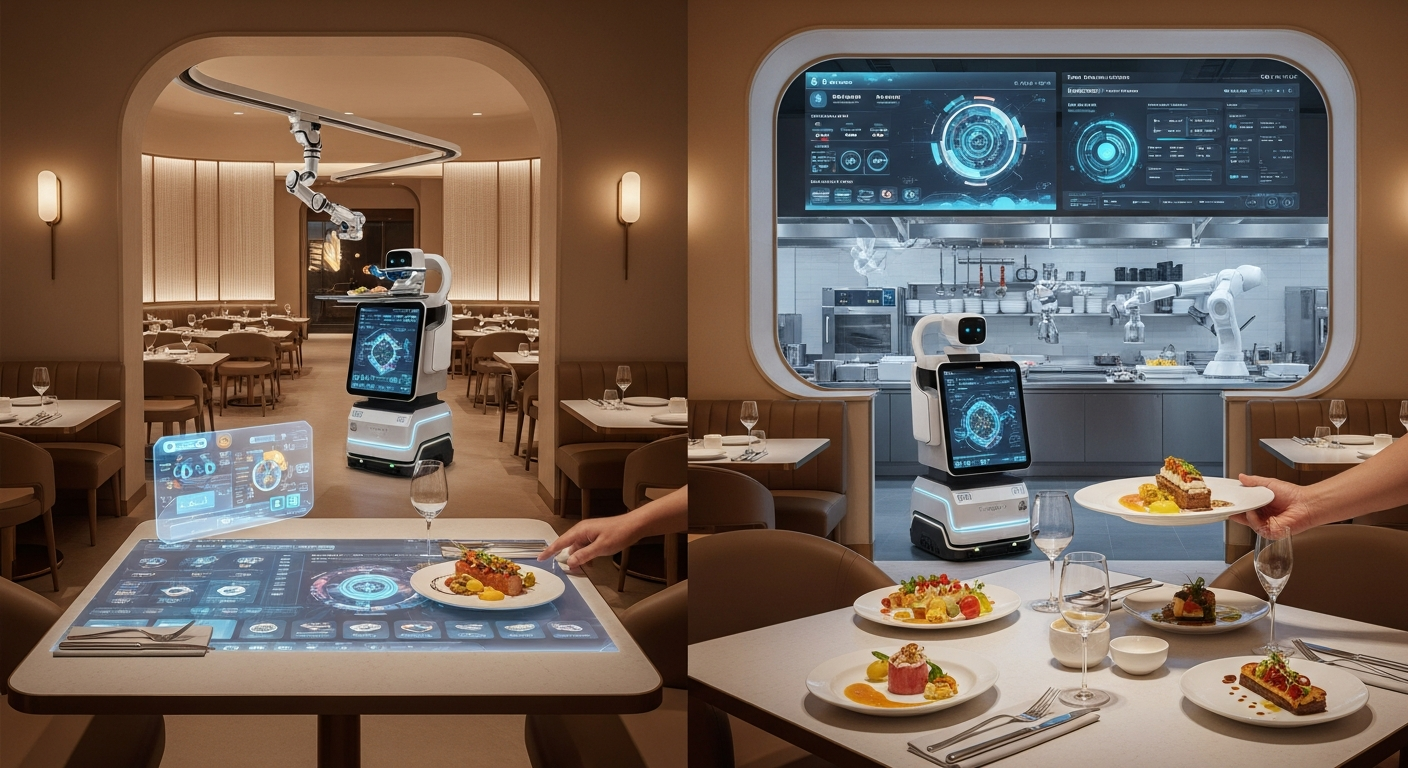
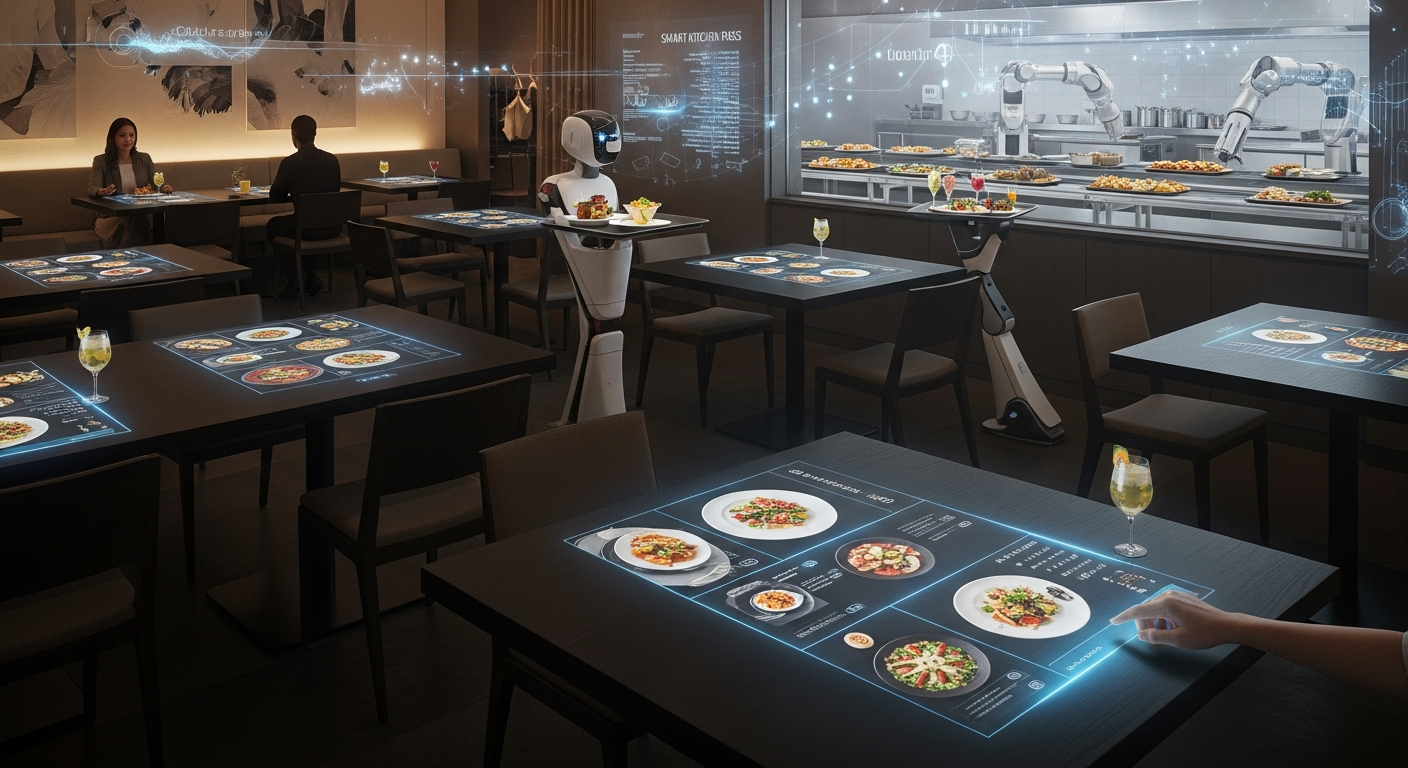
Nano Masters AI operates restaurant locations and provides AI-enabled dining experiences, including smart ordering (in-store, kiosk, and digital), personalized loyalty and promotions, AI-assisted menu engineering, demand forecasting, inventory optimization, labor scheduling, and smart kitchen workflow automation to improve speed, consistency, and cost control.
Who we serve
The customer base includes everyday diners seeking fast, consistent meals; families and groups looking for reliable experiences; and digital-first guests who prefer mobile ordering, pickup, or delivery. Target markets include high-traffic urban and suburban trade areas in the United States where convenience, value, and consistent quality drive repeat visits.
Inside the business
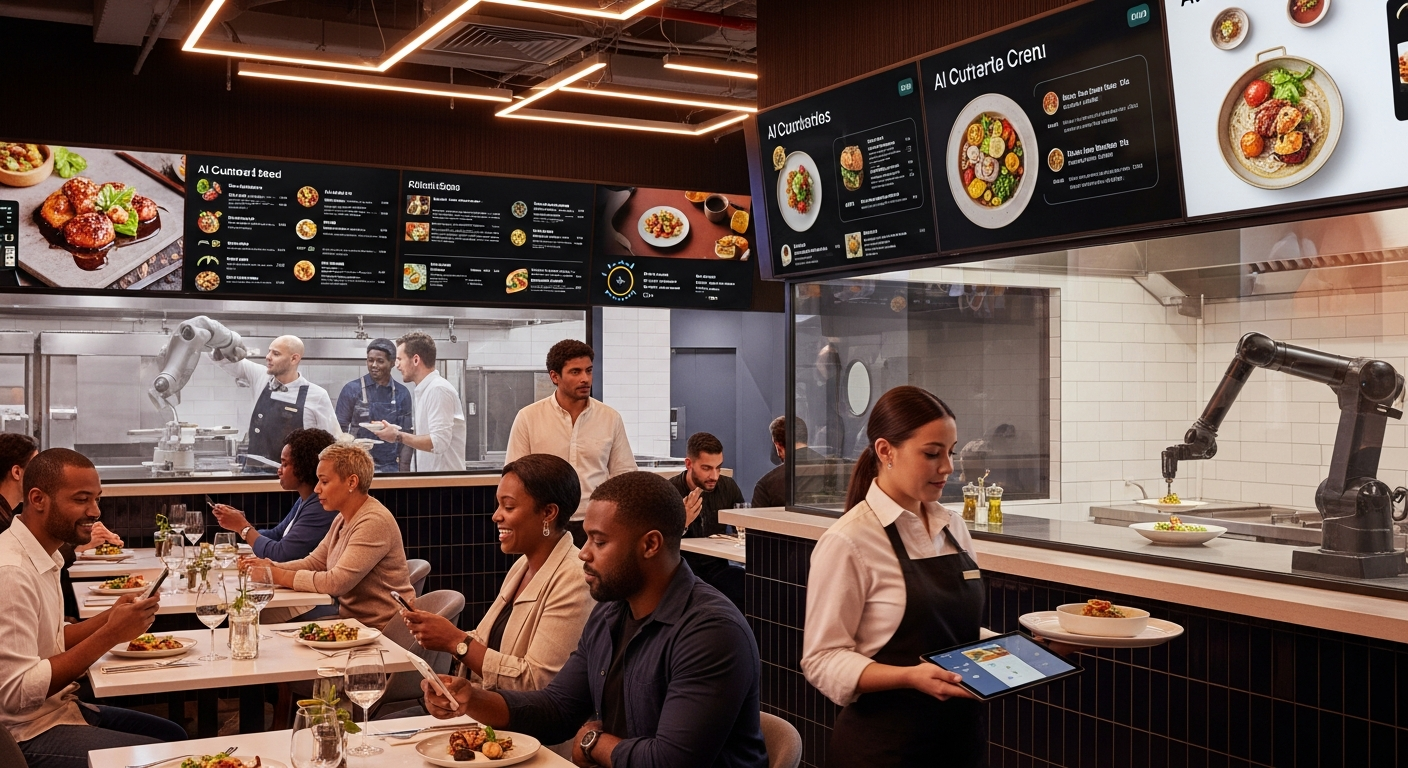
Behind the scenes, Nano Masters AI runs a tightly integrated operating system that links demand signals to kitchen execution. The goal is to make every location feel locally relevant while remaining operationally consistent and scalable.
Operating model
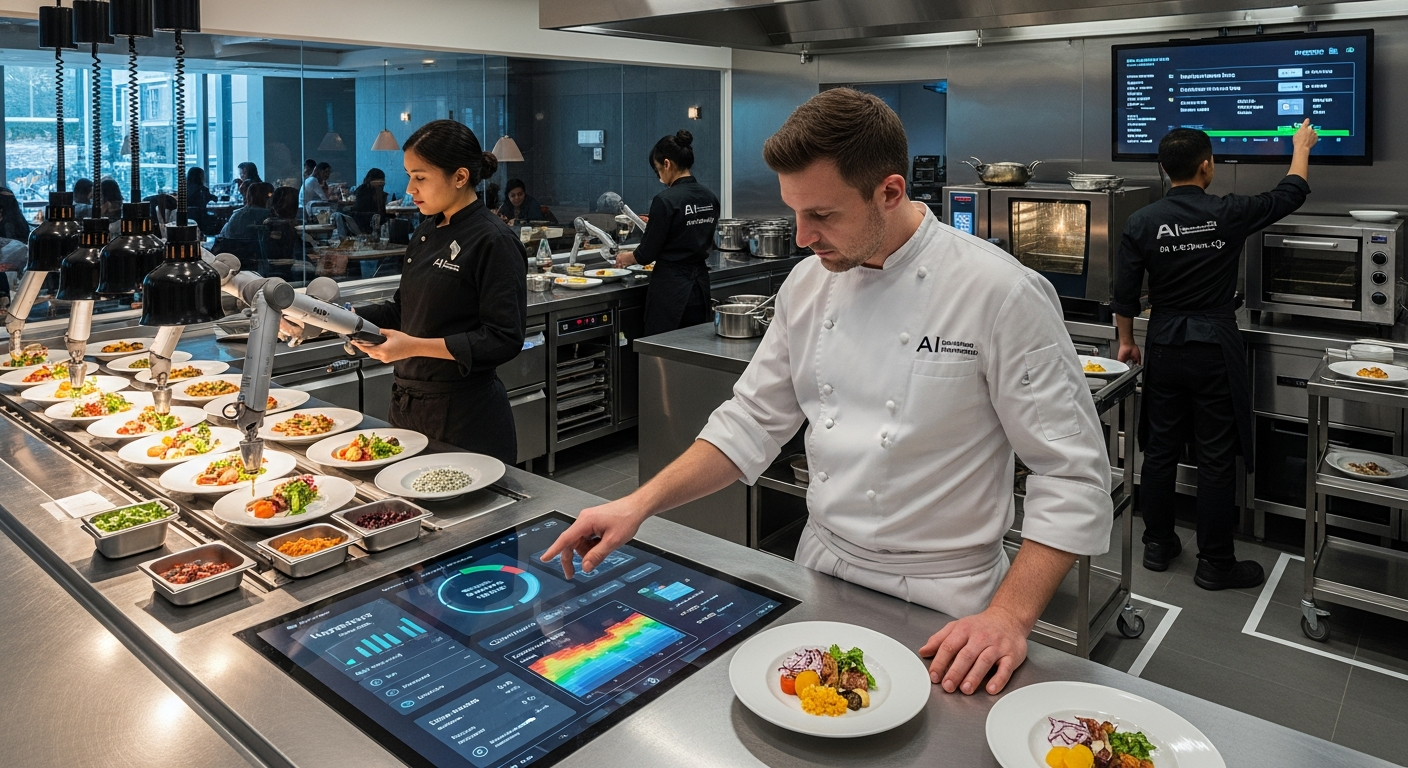
Nano Masters AI operates a multi-location restaurant network with centralized data and standards, paired with local execution. Guest orders flow through an integrated POS and digital ordering layer into smart kitchen workflows that sequence prep tasks, balance station load, and track service-time SLAs. Forecasting models translate historical and real-time demand into purchasing, inventory targets, and labor schedules. Menu performance is monitored continuously, with controlled rollouts and A/B tests guiding updates. Quality is enforced through standardized recipes, training modules, and automated checks (timers, holding rules, and exception alerts).
Market dynamics
The U.S. restaurant market is highly competitive and margin-sensitive, with persistent labor constraints, volatile food costs, and rising consumer expectations for speed and convenience. Delivery and digital ordering continue to influence channel mix, while loyalty ecosystems intensify competition for repeat visits. AI and automation are increasingly used to stabilize operations, reduce waste, and improve forecasting accuracy, but adoption requires strong change management and reliable data foundations.
What changed recently (fictional)
The company has expanded its use of smart kitchen orchestration and data-driven menu optimization to improve consistency across locations. It has also increased emphasis on personalization within loyalty and digital ordering, using analytics to fine-tune offers and reduce friction during peak periods.
Key performance metrics (KPIs)
These KPIs reflect what leaders typically track in Restaurants. Each metric connects to decisions that drive outcomes.
Decision scenarios (what leaders actually face)
The scenarios below are written to resemble realistic situations in Restaurants. They’re designed for practice, discussion, and evaluation — where context, trade-offs, and escalation matter.
Dinner rush service times are slipping in several high-volume stores. Complaints and refunds are rising, but the team suspects the root cause differs by location (staffing, menu complexity, or kitchen workflow).
What this scenario reveals
How leaders balance service quality, margins, and operational discipline—and whether decisions are driven by data (bottleneck analysis) versus intuition.
A new recommendation and offer engine improves conversion in pilots, but marketing wants a rapid nationwide launch while operations worries about inconsistent inventory and potential guest privacy concerns.
What this scenario reveals
The company’s approach to responsible AI, change management, and the trade-off between speed-to-market and operational readiness.
Common failure points (and why they happen)
Even with advanced automation, restaurant performance can break down at predictable stress points. The biggest risks come from data quality gaps, uneven execution in stores, and misaligned incentives during scaling.
Poor data quality and fragmented systems
If POS, inventory, and labor systems are not well integrated, forecasts and recommendations degrade. This leads to stockouts, waste, and scheduling errors that undermine both guest experience and profitability.
Model drift and local demand shifts
Demand patterns change with seasonality, events, and competitive moves. Without continuous monitoring and retraining, AI-driven forecasts and personalization can become inaccurate and reduce trust in the system.
Operational inconsistency across locations
Automation cannot compensate for weak training, unclear standards, or poor adherence to playbooks. Inconsistent execution creates uneven quality and erodes brand reliability at scale.
Over-automation that harms hospitality
If technology adds friction or removes human judgment where it matters, guests may perceive the experience as cold or confusing. The best outcomes come from augmenting staff, not replacing hospitality.
Readiness & evaluation (fictional internal practice)
Readiness is about more than deploying tools—it’s the ability to operate them reliably across hundreds or thousands of stores. Nano Masters AI evaluates readiness through data foundations, operational playbooks, and measurable outcomes.
How readiness is checked
Readiness is checked via data audits (POS/inventory/labor), pilot performance reviews, store-level process compliance, security and privacy controls, and KPI-based go/no-go gates for scaling.
What “good” looks like
Good looks like: clean and timely data feeds, clearly documented workflows, trained managers, stable kitchen execution metrics, and demonstrable margin or service-time improvements sustained over multiple weeks.
Example readiness signals
Examples include: forecast accuracy within target bands, reduced waste without increased stockouts, improved order-to-ready times during peak hours, stable labor cost percentage, and higher satisfaction scores after rollout.
Company images
Visual context for learning (fictional, AI-generated). Three views help learners anchor decisions in a believable setting.
FAQ
Short answers to common questions related to Restaurants operations and decision readiness.
What makes Nano Masters AI Restaurant Chain different from traditional restaurant brands?
It integrates AI across ordering, kitchen execution, inventory, labor planning, and menu development to improve consistency, speed, and unit economics at scale.
How does the company use AI in menu development?
Menu items are tested and refined using performance signals such as sell-through, margins, prep complexity, and guest feedback, enabling faster iteration and better profitability.
Does AI replace staff in Nano Masters AI locations?
The intent is to augment teams by automating repetitive tasks and improving planning, so staff can focus on hospitality, accuracy, and quality execution.
What are the primary operational metrics Nano Masters AI focuses on?
Key metrics include order-to-ready time, food and labor cost percentages, waste and spoilage rates, same-store sales growth, and guest satisfaction/NPS.
Contact & information
Website: https://nanomasters.ai/blueprint-company/nano-masters-ai-restaurant-chain
Location: United States
Industry: Restaurants