Nano Masters AI Hotels
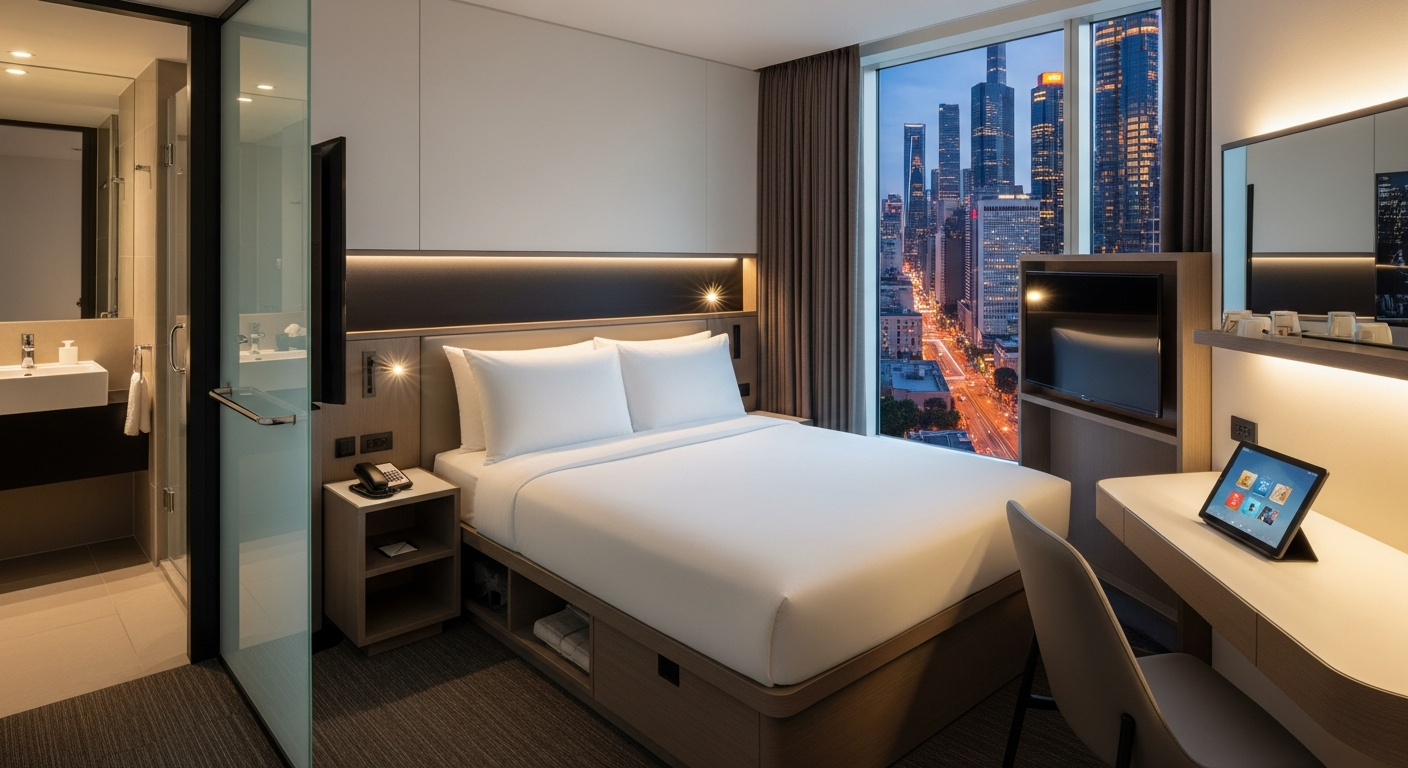
Nano Hotels is a hospitality company that develops and operates compact, design-focused hotels offering smart, efficient rooms, seamless digital services, and a comfortable stay in prime urban locations.
About Nano Masters AI Hotels
Nano Masters AI Hotels (Nano Hotels) is a hospitality company built around a simple idea: urban travelers want great design, dependable comfort, and a faster, more digital stay—without paying for space they don’t use. The brand focuses on compact footprints, thoughtful layouts, and technology that reduces friction from booking to checkout. Nano’s properties prioritize consistency and operational efficiency. Smart-room features, mobile-first guest flows, and centralized service operations help deliver reliable experiences across locations while keeping staffing flexible and responsive to demand. The company’s approach blends hospitality fundamentals—cleanliness, sleep quality, safety, and service—with modern digital layers like self-service check-in, real-time support, and in-room controls. The result is a stay designed for business travelers, weekend city breaks, and guests who value convenience. As Nano scales, it invests in standard operating procedures, training systems, and data-driven performance management to protect guest experience across diverse markets. The company’s operating playbook is designed to support rapid openings and consistent quality in dense, high-traffic urban corridors.
What we offer
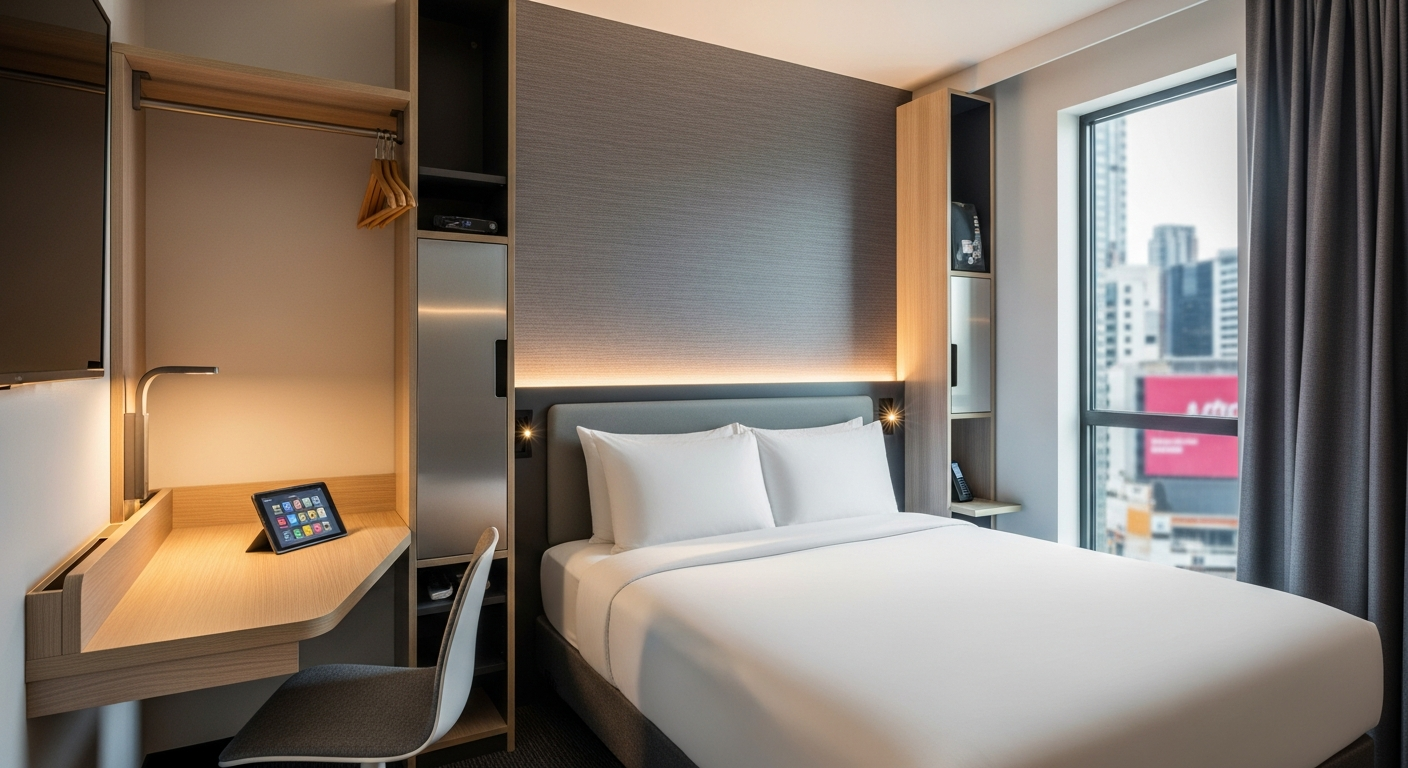
Nano Masters AI Hotels develops and operates compact urban hotels featuring smart, efficient rooms; mobile and kiosk-enabled check-in/out; digital keys (where available); streamlined housekeeping and maintenance workflows; and centralized guest support. Properties emphasize design-forward interiors, high-quality sleep essentials, reliable connectivity, and frictionless add-ons such as early check-in/late checkout, luggage storage, and curated local partnerships.
Who we serve
Nano’s customer base includes business travelers seeking speed and reliability, leisure travelers prioritizing prime locations and design, and value-conscious guests who prefer efficient room layouts. Target markets are dense city centers and transit-connected districts where guests want minimal hassle, consistent quality, and digital-first service.
Inside the business
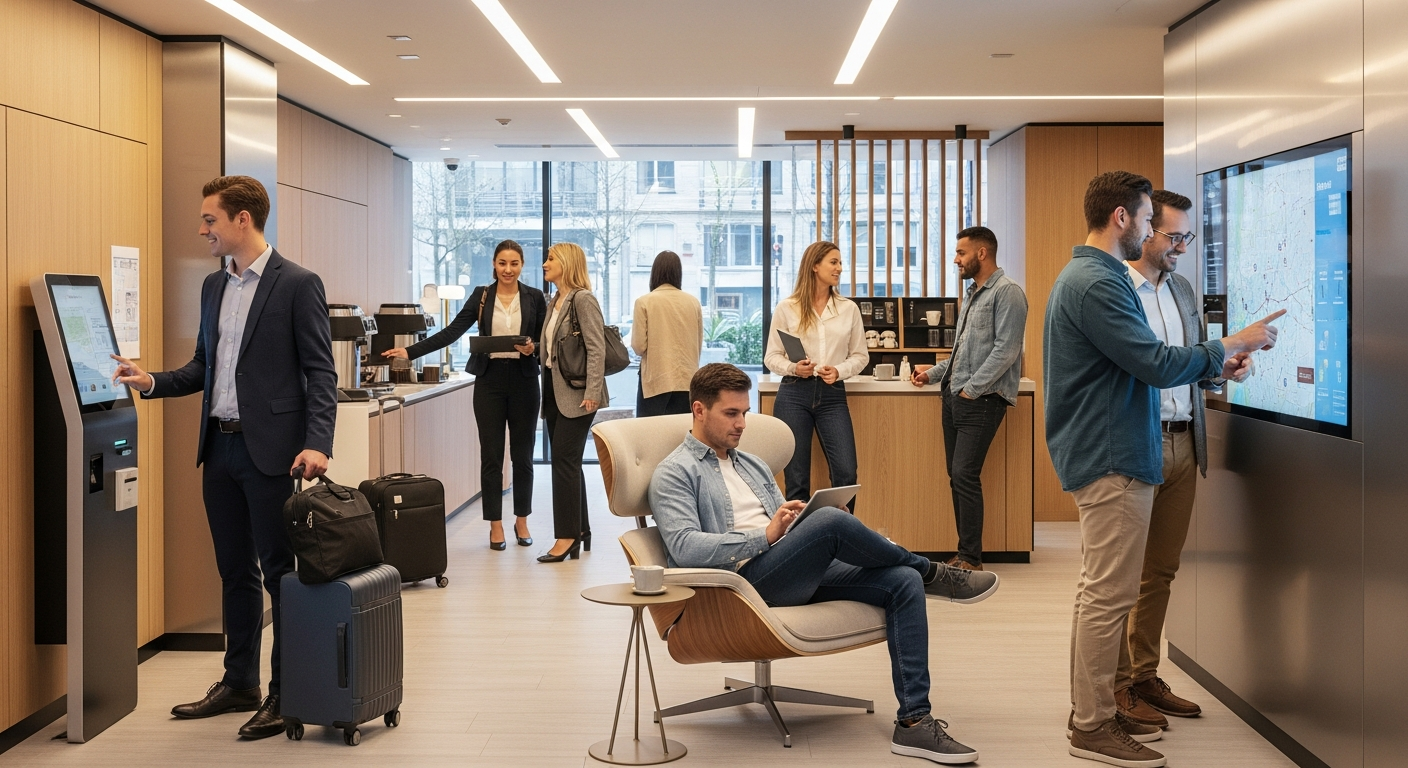
Running compact hotels at scale requires precision: high occupancy, fast room turns, consistent standards, and service that stays personal even when it’s digitally delivered. Nano’s operations are built to make everyday decisions repeatable and measurable.
Operating model
Nano operates a standardized multi-property model with centralized brand, technology, and operational governance. Local hotel teams handle on-site delivery (front desk/guest experience, housekeeping, engineering, security), while shared services manage revenue systems, procurement standards, training, and quality audits. Digital guest journeys reduce queueing and enable staff to focus on exceptions, high-touch moments, and issue resolution.
Market dynamics
Urban hospitality is shaped by volatile demand, labor constraints, rising operating costs, and guest expectations for fast digital service. Competition includes boutique micro-hotels, select-service chains, and short-term rentals. Differentiation depends on location strategy, consistent cleanliness and sleep quality, seamless check-in, rapid incident resolution, and strong reputation management across review platforms.
What changed recently (fictional)
Nano has been expanding its digital guest experience with more self-service touchpoints, improving operational standardization across properties, and strengthening workforce readiness programs to support faster openings and consistent service. The company continues to optimize room-turn processes and preventive maintenance to protect guest satisfaction as occupancy fluctuates.
Key performance metrics (KPIs)
These KPIs reflect what leaders typically track in Hotels, Resorts & Cruise Lines. Each metric connects to decisions that drive outcomes.
Decision scenarios (what leaders actually face)
The scenarios below are written to resemble realistic situations in Hotels, Resorts & Cruise Lines. They’re designed for practice, discussion, and evaluation — where context, trade-offs, and escalation matter.
It’s 5:30 PM on a Friday. Mobile check-ins spike, several guests report digital key delays, and a queue forms near kiosks. A VIP arrival is expected in 20 minutes while housekeeping is still releasing rooms.
What this scenario reveals
Operational triage skills, ability to balance digital and human service, prioritization under pressure, and guest-impact decision making.
Two housekeeping team members and one evening guest-services associate call out sick. Occupancy is 96% and you have multiple same-day arrivals with early check-in requests.
What this scenario reveals
Understanding of service standards, cross-training leverage, communication discipline, and maintaining quality while protecting revenue.
Common failure points (and why they happen)
Compact-hotel models win on efficiency, but small breakdowns can cascade quickly. The most common failure points appear where digital flows, physical operations, and human service intersect.
Inconsistent SOP Execution Across Properties
When cleaning, maintenance checks, or guest-issue handling varies by site or shift, brand consistency erodes and review scores become volatile.
Digital Journey Breakdowns (Keys, Kiosks, Connectivity)
If mobile keys fail, kiosks freeze, or Wi‑Fi is unreliable, the efficiency promise collapses, creating queues and escalating guest frustration.
Room Readiness Bottlenecks
Slow turns, poor coordination between housekeeping and front desk, or inaccurate room status updates cause delayed check-ins and lost ancillary revenue.
Weak Service Recovery and Escalation Handling
Frontline teams without clear playbooks for noise complaints, cleanliness issues, refunds, or safety concerns can turn minor problems into public negative reviews.
Readiness & evaluation (fictional internal practice)
Nano measures readiness as the ability of teams and leaders to deliver consistent guest outcomes under real-world conditions—peak arrivals, staffing variability, and unexpected incidents.
How readiness is checked
Readiness is checked through scenario-based simulations, role-specific checklists, SOP application practice, and periodic audits of real interactions (arrival flow, issue resolution, and safety routines). Managers review outcomes, not just completion, and track improvement by property and role.
What “good” looks like
Good looks like: rooms released on time with zero critical cleanliness defects; digital check-in works for the majority of guests with fast exception handling; issues resolved within defined SLAs; safety routines completed and documented; and staff can explain and apply SOPs without supervision.
Example readiness signals
Examples include: consistent room-ready times during high occupancy; stable review scores after new-hire waves; fewer escalations to managers; faster recovery from key or payment failures; audit pass rates on fire/life safety checks; and improved first-contact resolution for guest requests.
Company images
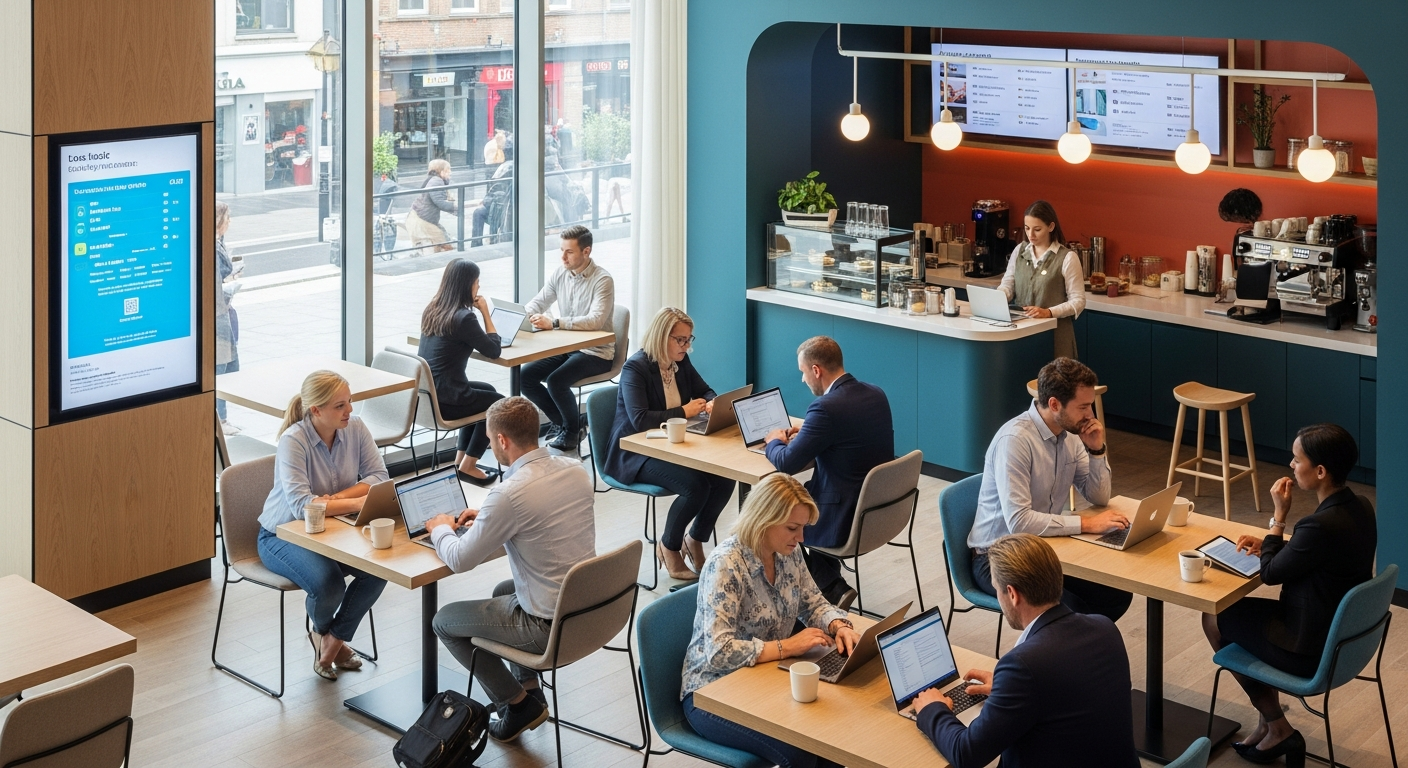
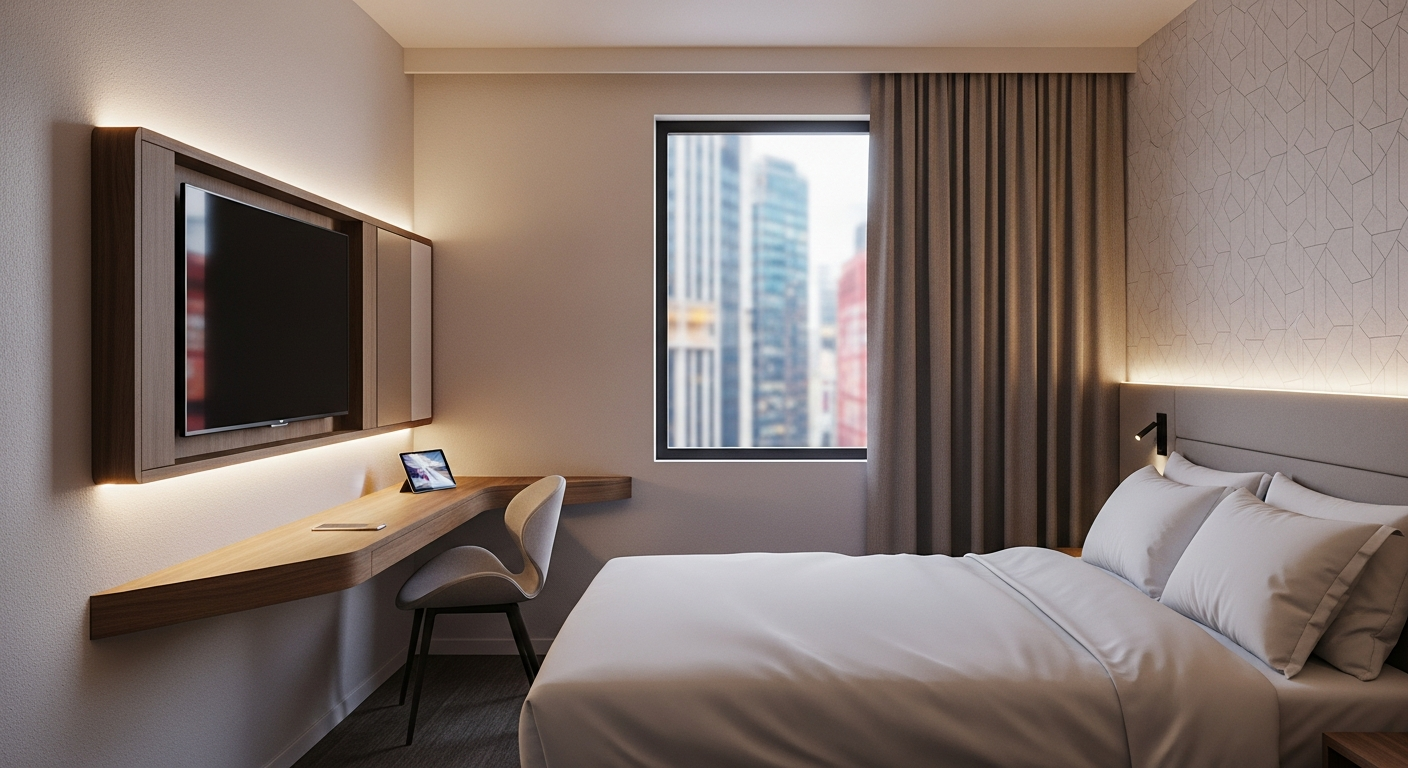
Visual context for learning (fictional, AI-generated). Three views help learners anchor decisions in a believable setting.

FAQ
Short answers to common questions related to Hotels, Resorts & Cruise Lines operations and decision readiness.
What makes Nano Masters AI Hotels different from traditional hotels?
Nano focuses on compact, design-led rooms and a digital-first guest journey—fast check-in, efficient service, and consistent comfort in prime urban locations.
Who is Nano Masters AI Hotels best suited for?
The brand is ideal for business travelers and city-break guests who prioritize location, reliability, speed, and a well-designed room over extra square footage.
How does Nano ensure consistent quality across locations?
Nano uses standardized operating procedures, centralized oversight, recurring audits, and role-based training to keep cleanliness, safety, and service recovery consistent.
Does Nano offer digital services like mobile check-in?
Yes. Nano emphasizes seamless digital services such as mobile-first check-in/out and self-service support flows, with staff available for exceptions and high-touch needs.
Contact & information
Website: https://nanomasters.ai/blueprint-company/nano-masters-ai-hotels
Location: United States
Industry: Hotels, Resorts & Cruise Lines