Nano Masters AI Health Care Facilities
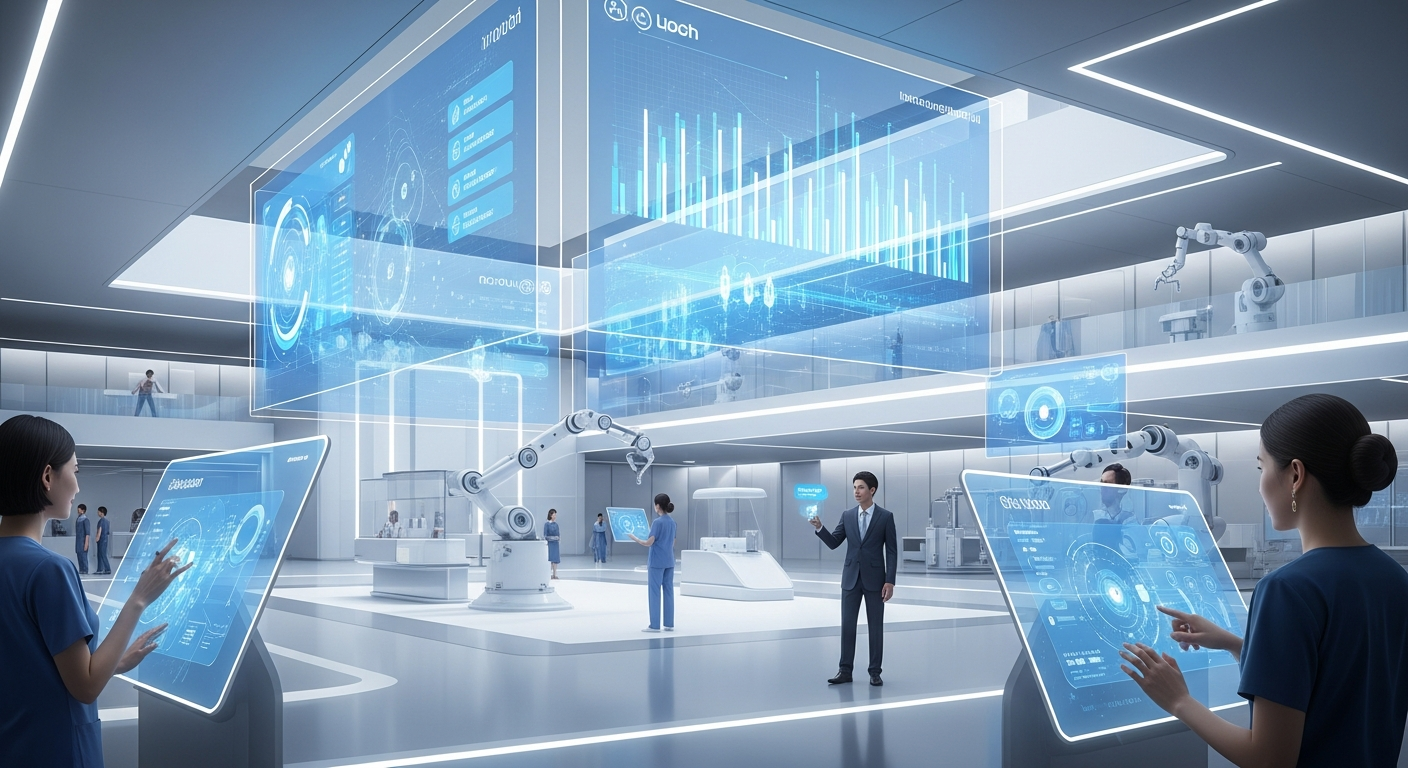
Nano Masters AI Health Care Facilities is a healthcare company that integrates artificial intelligence and advanced technologies to enhance clinical decision-making, streamline operations, and improve patient outcomes across its network of medical facilities. It focuses on data-driven diagnostics, personalized care pathways, and efficient care delivery through intelligent automation and predictive analytics.
About Nano Masters AI Health Care Facilities
Nano Masters AI Health Care Facilities is a U.S.-based healthcare operator focused on delivering safer, faster, and more personalized care through artificial intelligence and advanced digital infrastructure. Across its network of facilities, the company applies data-driven methods to support clinicians, reduce variation in care, and improve outcomes for patients. At the core of the organization is an AI-enabled clinical and operational layer that connects EHR data, imaging, laboratory results, and real-time signals from bedside and remote monitoring devices. These inputs power decision-support tools that help clinicians identify risks earlier, prioritize interventions, and standardize evidence-based pathways without losing the nuance of individual patient needs. Operationally, Nano Masters AI Health Care Facilities emphasizes intelligent automation to streamline patient flow, staffing, and supply chain coordination. Predictive analytics are used to anticipate demand surges, reduce avoidable delays, and improve resource utilization across emergency, inpatient, and ambulatory settings. The company also invests in governance, privacy, and quality controls to ensure AI is deployed responsibly. Model monitoring, clinician feedback loops, and transparent performance reporting are integrated into day-to-day operations to maintain trust, safety, and regulatory alignment. With a large workforce and scaled footprint, Nano Masters AI Health Care Facilities aims to translate innovation into measurable clinical impact—shorter time-to-treatment, fewer preventable complications, and a more consistent patient experience from intake through recovery.
What we offer
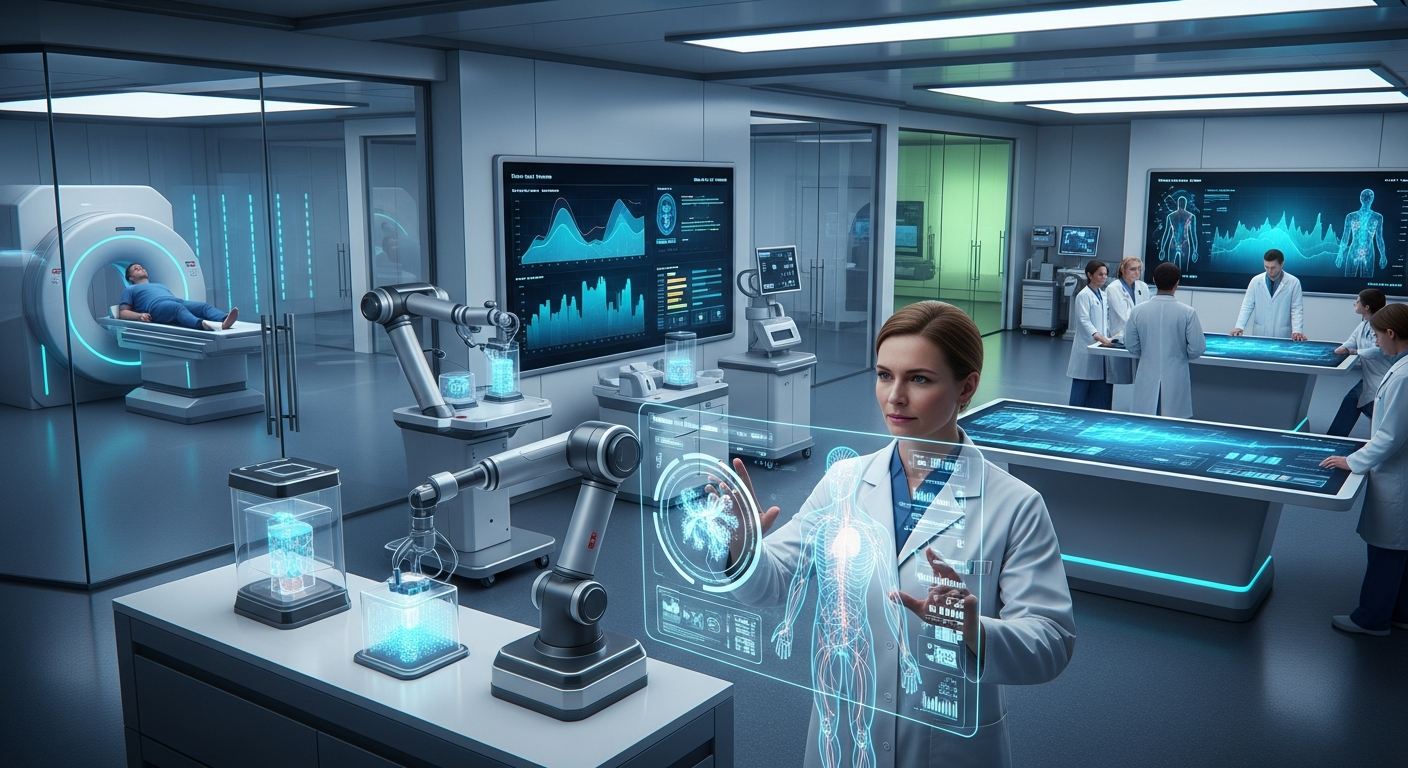
AI-enabled clinical decision support, predictive risk stratification (e.g., sepsis and deterioration), data-driven diagnostics support, personalized care pathway orchestration, intelligent patient-flow and capacity management, automated documentation and coding assistance, remote patient monitoring integration, operational analytics dashboards, and quality/safety performance management across facilities.
Who we serve
Primary customers are patients and families served by the company’s hospitals and outpatient facilities. The target market also includes employers, health plans, and accountable care organizations seeking high-quality, efficient care delivery, as well as referring physicians and community providers who rely on timely diagnostics, coordinated transitions of care, and consistent clinical standards.
Inside the business
Operating a modern healthcare network requires tight coordination between clinical teams, facilities, data systems, and administrative functions. Nano Masters AI Health Care Facilities uses an AI-first operating approach to connect these components and translate data into action at the point of care.
Operating model
The company runs a network of medical facilities supported by a centralized data and analytics platform. Local care teams deliver services on-site, while shared service centers provide technology, model governance, revenue cycle support, workforce planning, and supply chain coordination. Clinical pathways and decision-support tools are deployed with clinician oversight, measured through quality and safety metrics, and refined via continuous improvement cycles informed by real-world performance data.
Market dynamics
The U.S. healthcare facilities market faces rising labor costs, capacity constraints, reimbursement pressure, and increasing expectations for access, transparency, and outcomes. At the same time, interoperability improvements and broader availability of clinical data create opportunities for AI-driven efficiency and earlier intervention. Competition is driven by patient experience, quality scores, network reach, and the ability to manage risk under value-based care contracts, while regulatory scrutiny of data privacy and AI safety continues to intensify.
What changed recently (fictional)
Nano Masters AI Health Care Facilities has expanded its use of predictive analytics for early deterioration detection, increased automation in patient throughput and documentation workflows, and strengthened model governance with ongoing monitoring and clinical feedback loops. The organization has also broadened integration across EHR, imaging, and remote monitoring systems to improve continuity of care and reduce operational friction across facilities.
Key performance metrics (KPIs)
These KPIs reflect what leaders typically track in Health Care Facilities. Each metric connects to decisions that drive outcomes.
Decision scenarios (what leaders actually face)
The scenarios below are written to resemble realistic situations in Health Care Facilities. They’re designed for practice, discussion, and evaluation — where context, trade-offs, and escalation matter.
A deterioration-risk model performs well in one flagship hospital, but outcomes vary when introduced to smaller facilities with different patient mix and documentation practices. Leadership must decide how to scale safely without delaying benefits.
What this scenario reveals
Trade-offs between speed, safety, and consistency; the importance of calibration, governance, and workflow fit in clinical AI deployment.
ED boarding is rising due to inpatient capacity constraints. The analytics team proposes a predictive discharge planning tool, but nursing leadership worries about premature discharges and increased readmissions.
What this scenario reveals
How organizations balance operational pressure with clinical risk; the value of guardrails, pilots, and measured change management.
Common failure points (and why they happen)
AI-enabled healthcare operations can fail when data, workflows, and governance are misaligned. The most common breakdowns occur at the intersections of clinical adoption, technical reliability, and regulatory expectations.
Data quality and interoperability gaps
Inconsistent coding, missing vitals, delayed lab feeds, or fragmented EHR integrations can degrade model performance and create unsafe recommendations or blind spots.
Workflow mismatch and low clinician adoption
Even accurate insights fail if alerts are poorly timed, too frequent, or not embedded in decision points; alert fatigue and lack of trust reduce utilization.
Model drift and unmonitored performance
Changes in patient mix, protocols, or documentation can cause drift; without monitoring and recalibration, performance can degrade silently over time.
Privacy, security, and regulatory non-compliance
Weak access controls, unclear consent, or inadequate auditability can expose sensitive health data and create legal and reputational risk.
Readiness & evaluation (fictional internal practice)
Readiness for AI-enabled care delivery depends on data foundations, clinical governance, and the ability to operationalize insights reliably across facilities.
How readiness is checked
Assess readiness through a structured review of data pipelines (EHR, labs, imaging), workflow mapping for target use cases, baseline KPI measurement, security and compliance checks, and a governance plan covering validation, monitoring, and escalation paths. Run a limited-scope pilot to verify technical performance and clinical adoption before scaling.
What “good” looks like
Good readiness includes high-quality, timely data feeds; clearly defined clinical ownership; documented pathways for acting on insights; measurable KPIs with baselines; monitoring for drift and bias; incident response procedures; and training that supports consistent adoption across roles and shifts.
Example readiness signals
Examples include stable HL7/FHIR integrations, consistent coding practices, established quality committees, clear alert escalation protocols, successful completion of a pilot with clinician utilization targets, and regular reporting on model performance and patient safety outcomes.
Company images
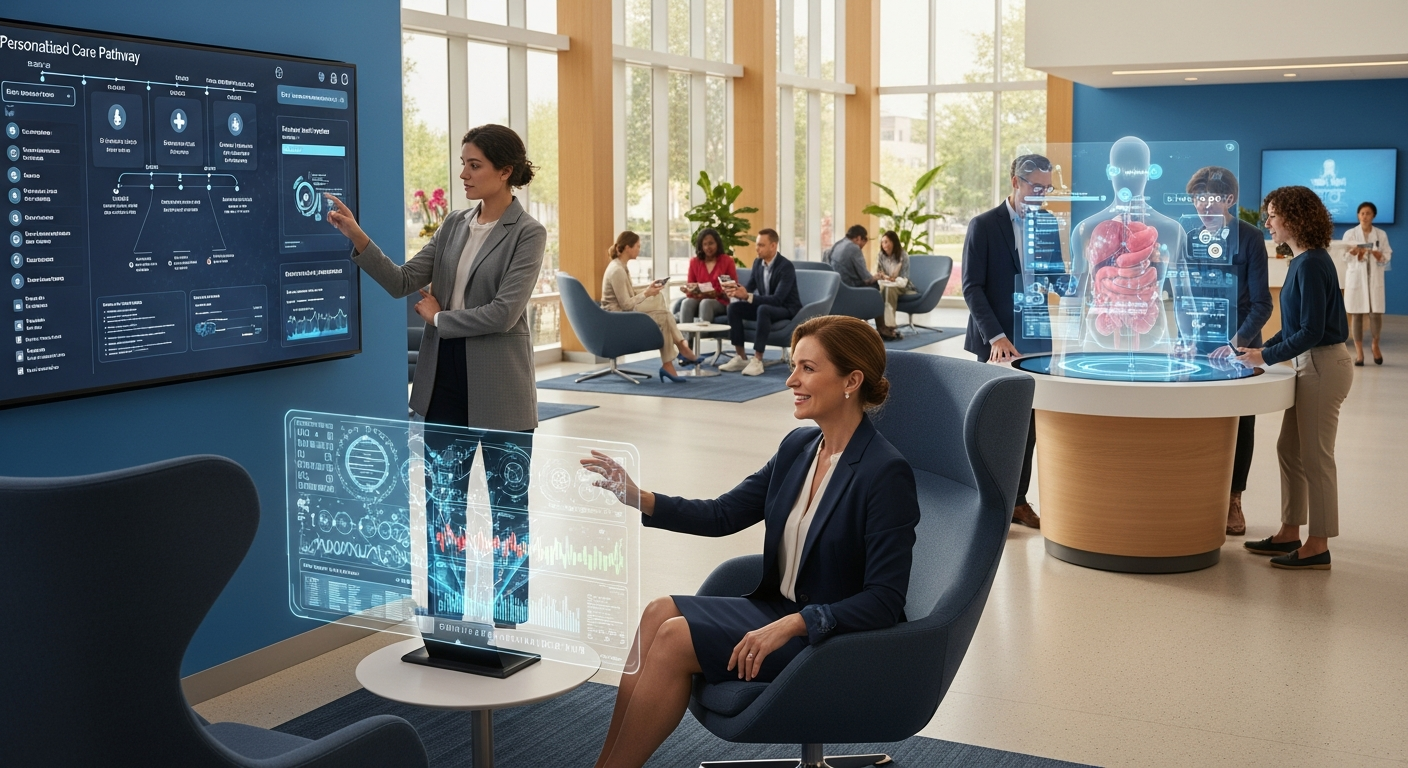
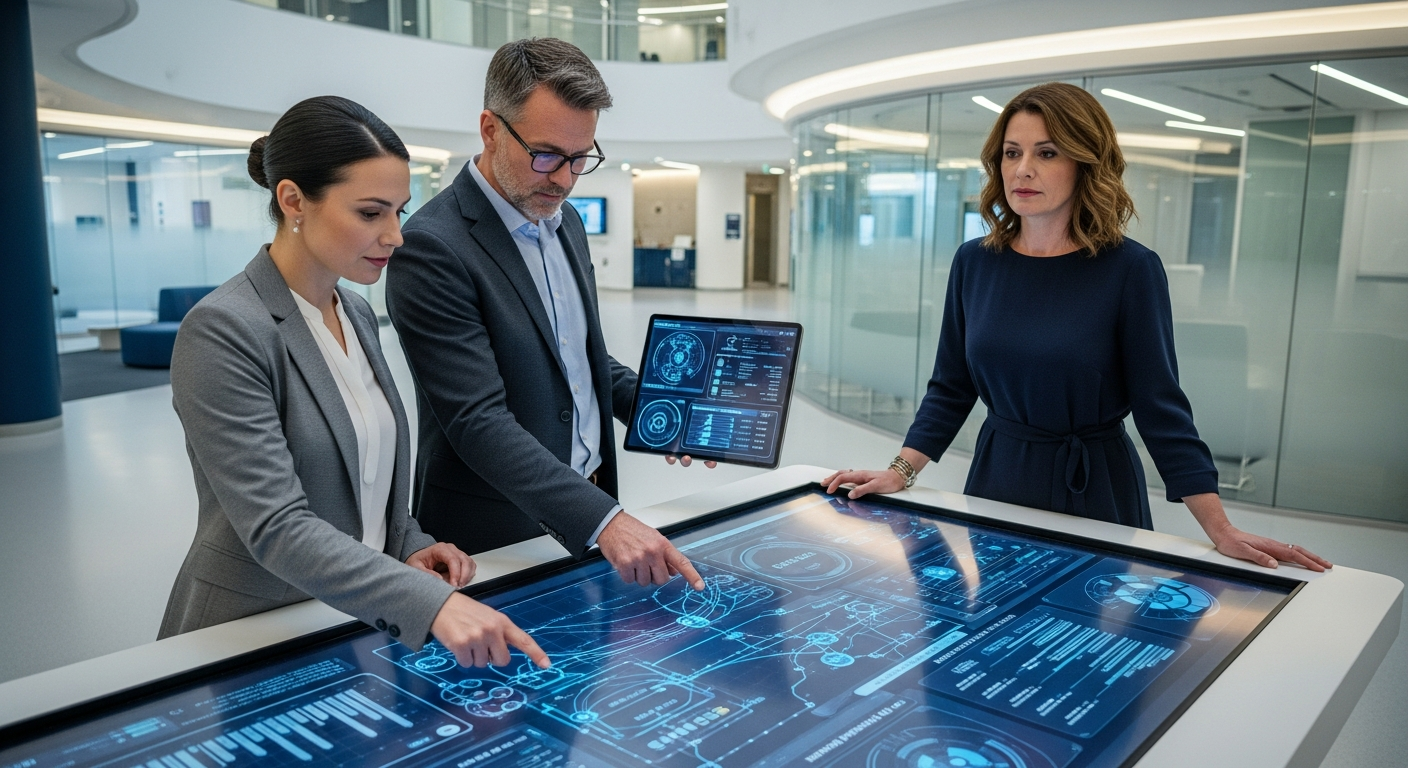
Visual context for learning (fictional, AI-generated). Three views help learners anchor decisions in a believable setting.


FAQ
Short answers to common questions related to Health Care Facilities operations and decision readiness.
What does Nano Masters AI Health Care Facilities do?
It operates healthcare facilities and uses AI, automation, and predictive analytics to improve clinical decision-making, streamline operations, and enhance patient outcomes.
How is AI used in day-to-day care delivery?
AI supports risk detection, care pathway recommendations, capacity planning, documentation workflows, and performance monitoring—always with clinical oversight and governance.
Who are the primary customers and partners?
Patients and families are the primary customers, with additional stakeholders including employers, health plans, ACOs, and referring providers who depend on coordinated, high-quality care.
What are the main risks of AI in healthcare facilities?
Key risks include poor data quality, workflow mismatch and alert fatigue, model drift without monitoring, and privacy/security compliance gaps.
Contact & information
Website: https://nanomasters.ai/blueprint-company/nano-masters-ai-health-care-facilities
Location: United States
Industry: Health Care Facilities