Nano Masters AI Food Retail
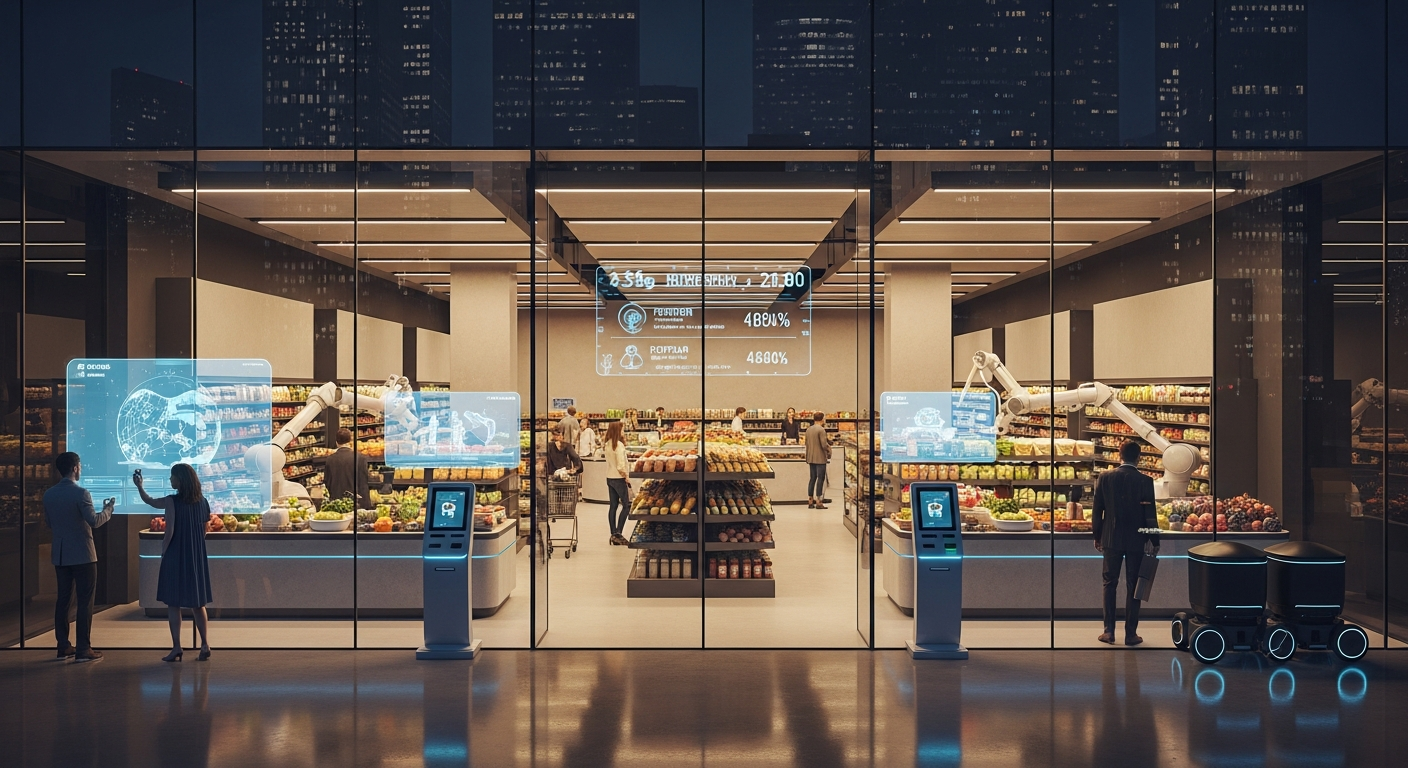
Nano Masters AI Food Retail is a technology-driven food retail company that uses artificial intelligence to optimize inventory, personalize customer experiences, and streamline store operations. It leverages real-time data and predictive analytics to reduce waste, improve product availability, and enhance pricing and merchandising decisions across physical and digital retail channels.
About Nano Masters AI Food Retail
Nano Masters AI Food Retail is a Germany-based food retail company built around data-driven decision-making. The company applies artificial intelligence to everyday retail challenges—keeping shelves stocked, reducing waste, and delivering a more relevant shopping experience. At the core of the business is a real-time analytics layer that connects store operations, supply chain signals, and digital commerce activity. Predictive models forecast demand at SKU, store, and regional levels, enabling faster replenishment, smarter allocation, and improved availability for customers. Nano Masters AI Food Retail also uses personalization and pricing intelligence to improve merchandising outcomes. By learning from customer behavior, promotions, seasonality, and local context, the company can tailor assortments and offers while maintaining pricing discipline and margin targets. Operationally, the organization focuses on automation and standardization: exception-based workflows for store teams, proactive alerts for supply chain disruptions, and continuous testing of planograms and promotional mechanics. This approach supports consistent execution across a large footprint and helps scale innovation across both physical stores and digital channels.
What we offer
AI-enabled grocery retail across physical stores and e-commerce, including demand forecasting, automated replenishment, dynamic inventory optimization, personalized promotions, pricing and markdown optimization, and merchandising/planogram decision support powered by real-time data.
Who we serve
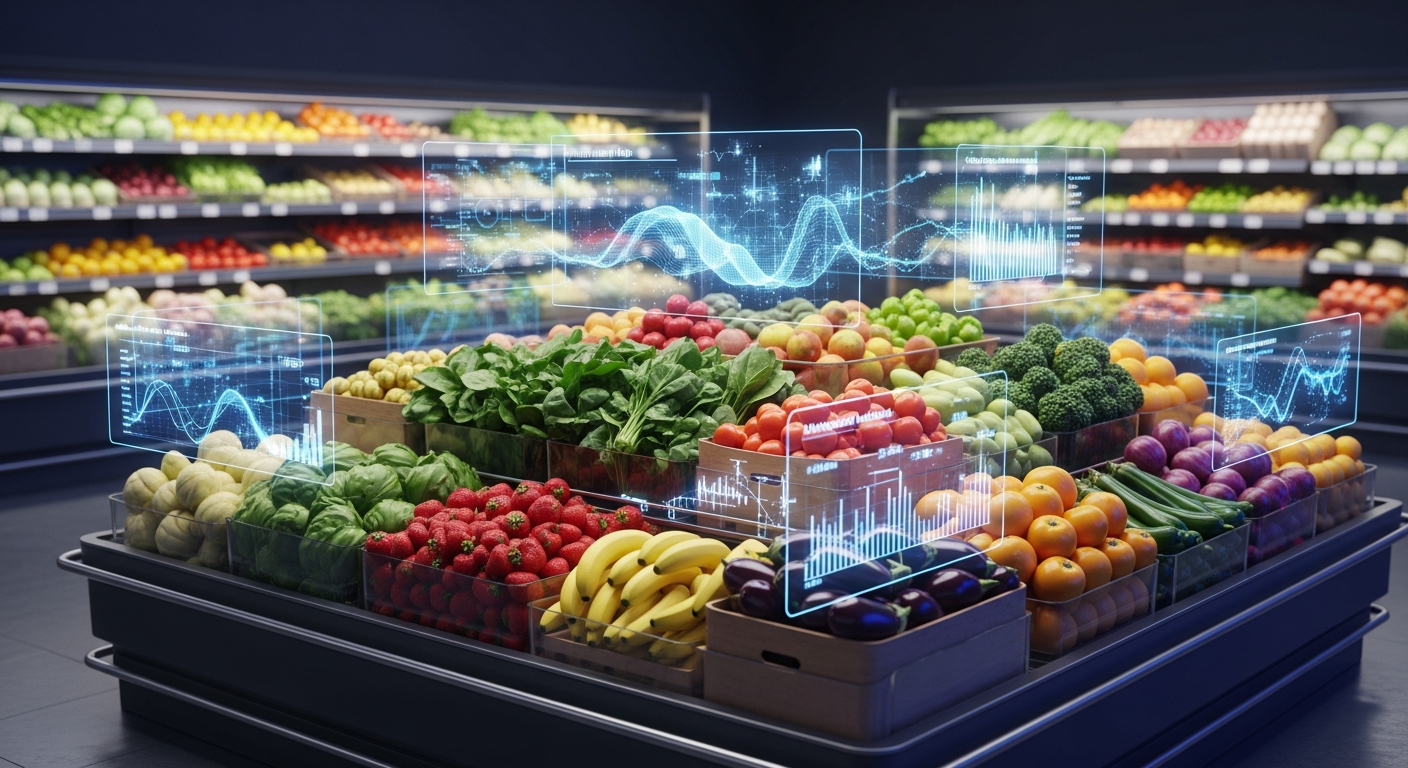
Mass-market grocery shoppers and households seeking convenient, value-focused food retail. The company serves urban and suburban customers via stores and online ordering, with targeted personalization for families, budget shoppers, health-conscious consumers, and time-constrained professionals.
Inside the business
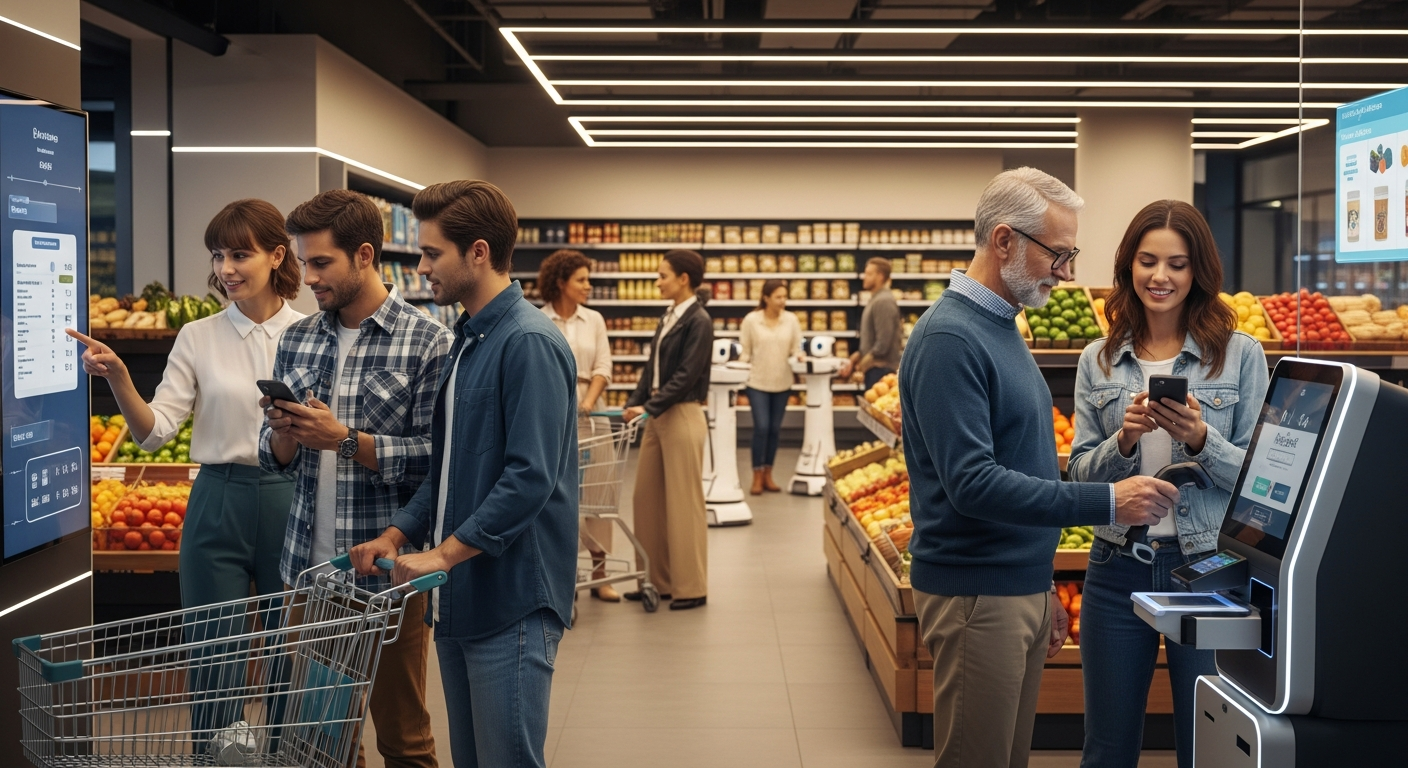
Nano Masters AI Food Retail runs a large-scale omnichannel operation where store execution, supply chain decisions, and digital engagement are coordinated through a unified data and AI layer.
Operating model
The company operates an omnichannel retail model combining brick-and-mortar stores with digital ordering and fulfillment. Data from POS, loyalty, online behavior, supply chain events, and store sensors feeds predictive models that generate replenishment orders, staffing and task recommendations, pricing guidance, and promotion targeting. Store teams work from exception lists and prioritized tasks, while central teams manage assortment, vendor collaboration, and algorithm governance.
Market dynamics
Food retail faces tight margins, volatile demand, frequent promotions, and high substitution behavior. Inflation and supplier variability pressure pricing and availability, while customers increasingly expect convenience (delivery/pickup), transparency, and personalized value. Competitive differentiation depends on availability, freshness, speed of fulfillment, and the ability to reduce shrink and waste without harming customer experience.
What changed recently (fictional)
Nano Masters AI Food Retail has expanded its real-time forecasting and replenishment capabilities across more categories, strengthened omnichannel fulfillment operations, and increased use of predictive analytics for markdowns to reduce waste. The company has also standardized store workflows through AI-driven tasking and improved promotion effectiveness measurement to better balance growth and margin.
Key performance metrics (KPIs)
These KPIs reflect what leaders typically track in Food Retail. Each metric connects to decisions that drive outcomes.
Decision scenarios (what leaders actually face)
The scenarios below are written to resemble realistic situations in Food Retail. They’re designed for practice, discussion, and evaluation — where context, trade-offs, and escalation matter.
A regional heatwave drives a sudden increase in demand for fresh fruit and ready-to-eat salads. Several stores show early sell-through and the model flags potential stockouts within 24–48 hours.
What this scenario reveals
How the business balances service level vs. cost, and how quickly it can coordinate supply chain, store execution, and digital merchandising using real-time signals.
Multiple stores have elevated short-dated inventory in dairy and prepared foods. The AI suggests markdowns, but margin targets are under pressure this quarter.
What this scenario reveals
The maturity of pricing governance, the ability to personalize offers, and the organization’s approach to waste reduction vs. margin protection.
Common failure points (and why they happen)
Even strong AI-driven retail operations can fail if data quality, execution discipline, and governance do not keep pace with scale. The risks below highlight common breakdown points.
Poor master data and SKU hierarchy drift
Inconsistent item attributes, pack sizes, and category mappings degrade forecast accuracy and replenishment decisions, causing stockouts and overstock in the same category.
Model decisions not operationalized in stores
If store teams lack clear, prioritized tasks or the tools to execute recommendations, the benefits of forecasting and optimization remain theoretical and availability suffers.
Promotion noise and uncontrolled overrides
Frequent manual overrides, untracked local promos, and supplier-driven changes introduce volatility that models cannot learn from, reducing trust and ROI.
Omnichannel inventory mismatch
When e-commerce availability is not synchronized with store inventory and substitutions are poorly managed, customer satisfaction drops and fulfillment costs rise.
Readiness & evaluation (fictional internal practice)
Readiness is about proving the company can turn data into repeatable decisions—then execute those decisions reliably across stores, supply chain, and digital channels.
How readiness is checked
Assess data coverage and quality (POS, inventory, promotions, supplier lead times), validate process ownership (who acts on recommendations), test integration paths (ERP/WMS/POS/e-commerce), and run pilot stores with A/B measurement for availability, waste, and margin outcomes.
What “good” looks like
Good looks like: near-real-time inventory visibility, consistent item master governance, clear exception-based workflows for store teams, measurable uplift from pilots, documented model guardrails (pricing, ethics, compliance), and a cadence for monitoring drift and retraining.
Example readiness signals
Examples include: stable stock-on-hand accuracy, forecast accuracy improvements sustained across seasons, reduced waste without margin erosion, high adoption of recommended actions, fewer emergency orders, and improved customer NPS for availability and substitutions.
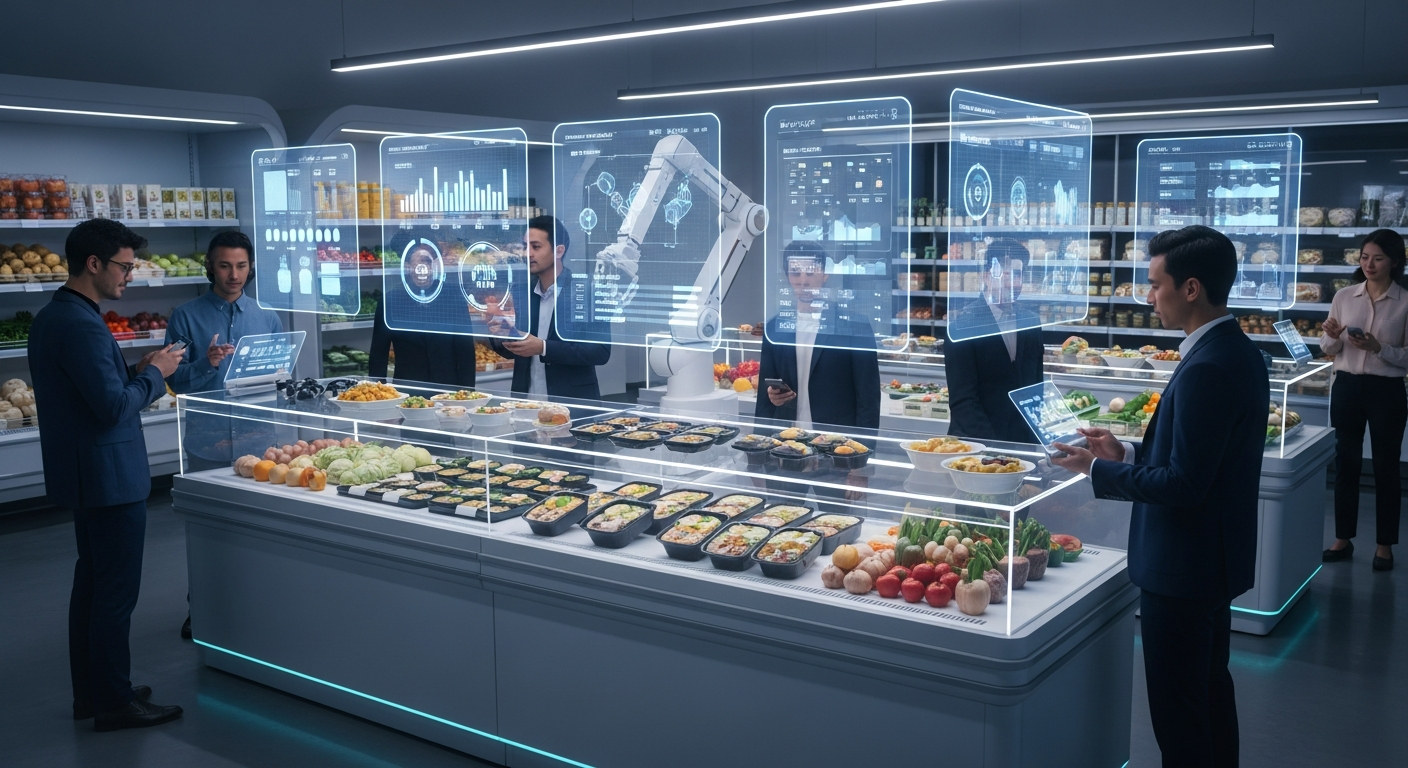
Company images
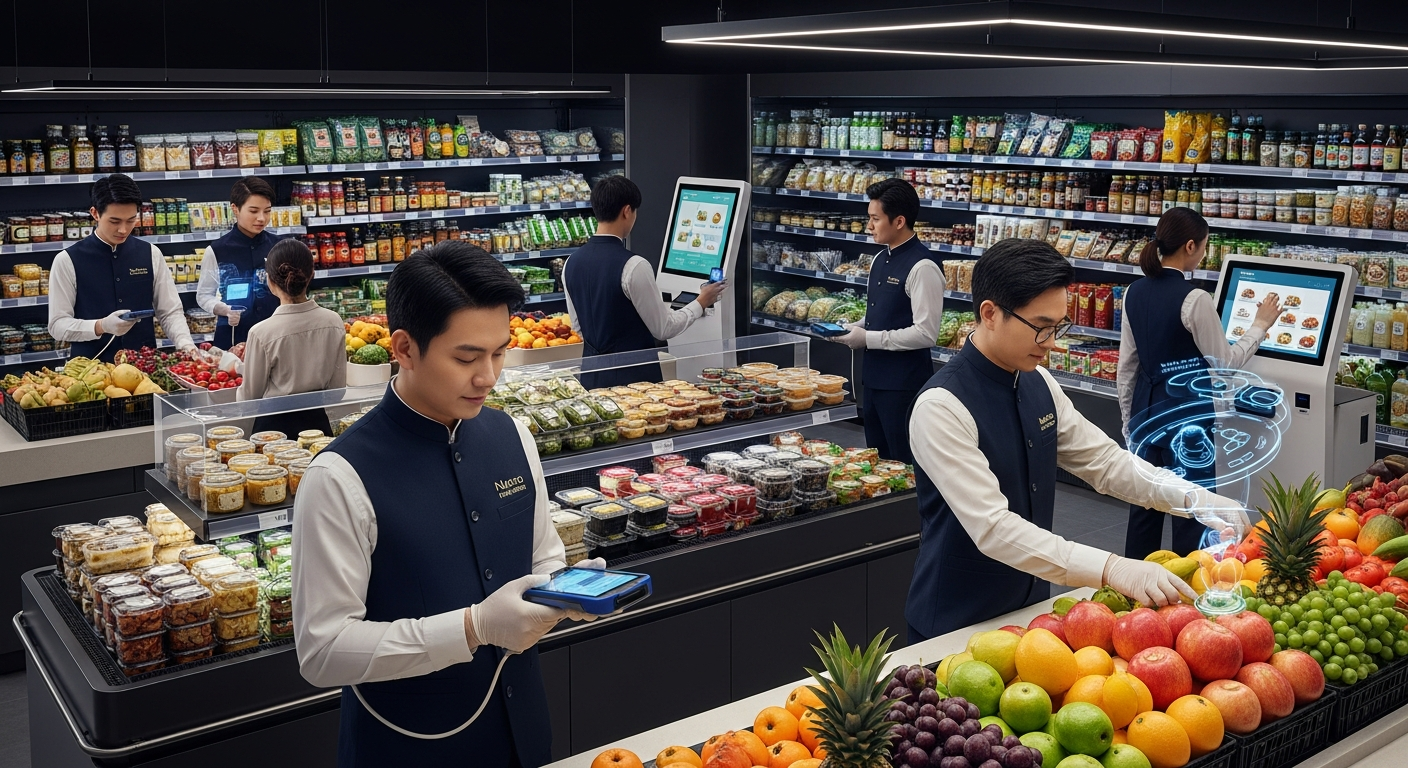
Visual context for learning (fictional, AI-generated). Three views help learners anchor decisions in a believable setting.

FAQ
Short answers to common questions related to Food Retail operations and decision readiness.
What makes Nano Masters AI Food Retail different from traditional grocers?
The company uses AI and real-time data to drive replenishment, pricing, and personalization decisions, improving availability and reducing waste across stores and online channels.
Does the company operate both physical stores and e-commerce?
Yes. Nano Masters AI Food Retail runs an omnichannel model, coordinating store inventory and digital ordering to support pickup and delivery experiences.
How does AI reduce food waste in retail?
Predictive demand forecasting and markdown optimization help align ordering with expected sales, while short-dated pricing actions and smarter allocation reduce spoilage and shrink.
What key metrics does the company focus on?
Core metrics include on-shelf availability, waste/shrink, forecast accuracy, promotion ROI, fulfillment speed, and inventory days on hand.
Contact & information
Website: https://nanomasters.ai/blueprint-company/nano-masters-ai-food-retail
Location: Germany
Industry: Food Retail