Nano Masters AI Airline
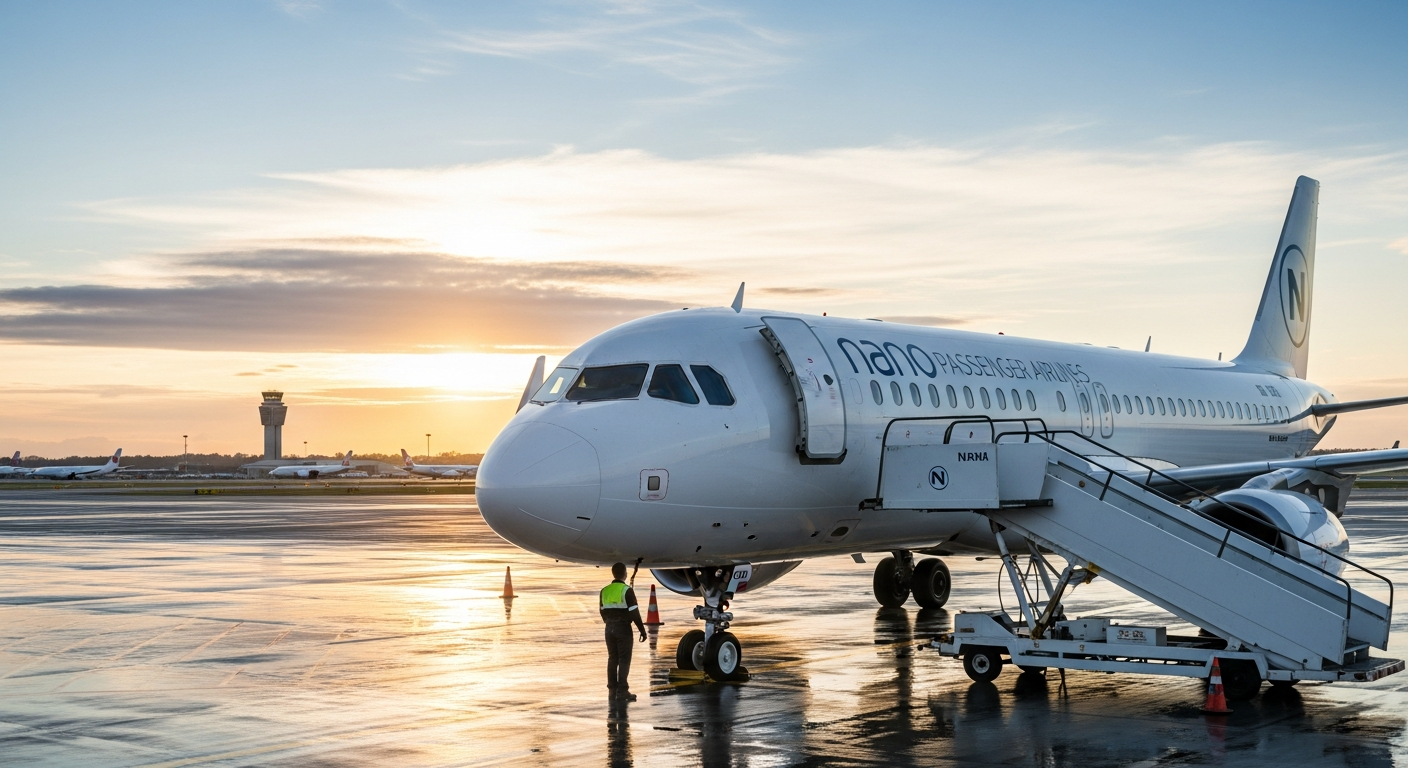
Nano Passenger Airlines is a passenger-focused airline offering scheduled flights and travel services, emphasizing convenient routes, customer comfort, and reliable operations.
About Nano Masters AI Airline
Nano Masters AI Airline (Nano Passenger Airlines) is a U.S.-based passenger airline built around a simple promise: make air travel dependable, comfortable, and easy to navigate. The company operates scheduled services and travel support designed to reduce friction across the end-to-end journey, from booking to arrival. With a large workforce supporting flight operations, customer care, ground handling, and corporate functions, the airline focuses on consistent on-time performance, clear communication, and service recovery when disruptions occur. Its approach blends operational discipline with a passenger-first service mindset. Nano Passenger Airlines emphasizes route convenience—prioritizing schedules and connections that match real traveler needs. The airline aims to deliver predictable experiences across airports and stations, supported by standardized procedures and training. Safety and compliance are core to how the airline runs. Continuous readiness, recurrent training, and operational audits help ensure crews and frontline teams can execute procedures under normal operations and during irregular events. As competition and traveler expectations evolve, Nano Masters AI Airline continues to refine its service model, strengthen operational resilience, and invest in workforce capability to deliver reliable travel at scale.
What we offer
Scheduled passenger air transportation, route network planning, ticketing and reservation services, travel assistance and customer support, baggage handling services, in-flight passenger services, and disruption management (rebooking, compensation guidance, and service recovery).
Who we serve
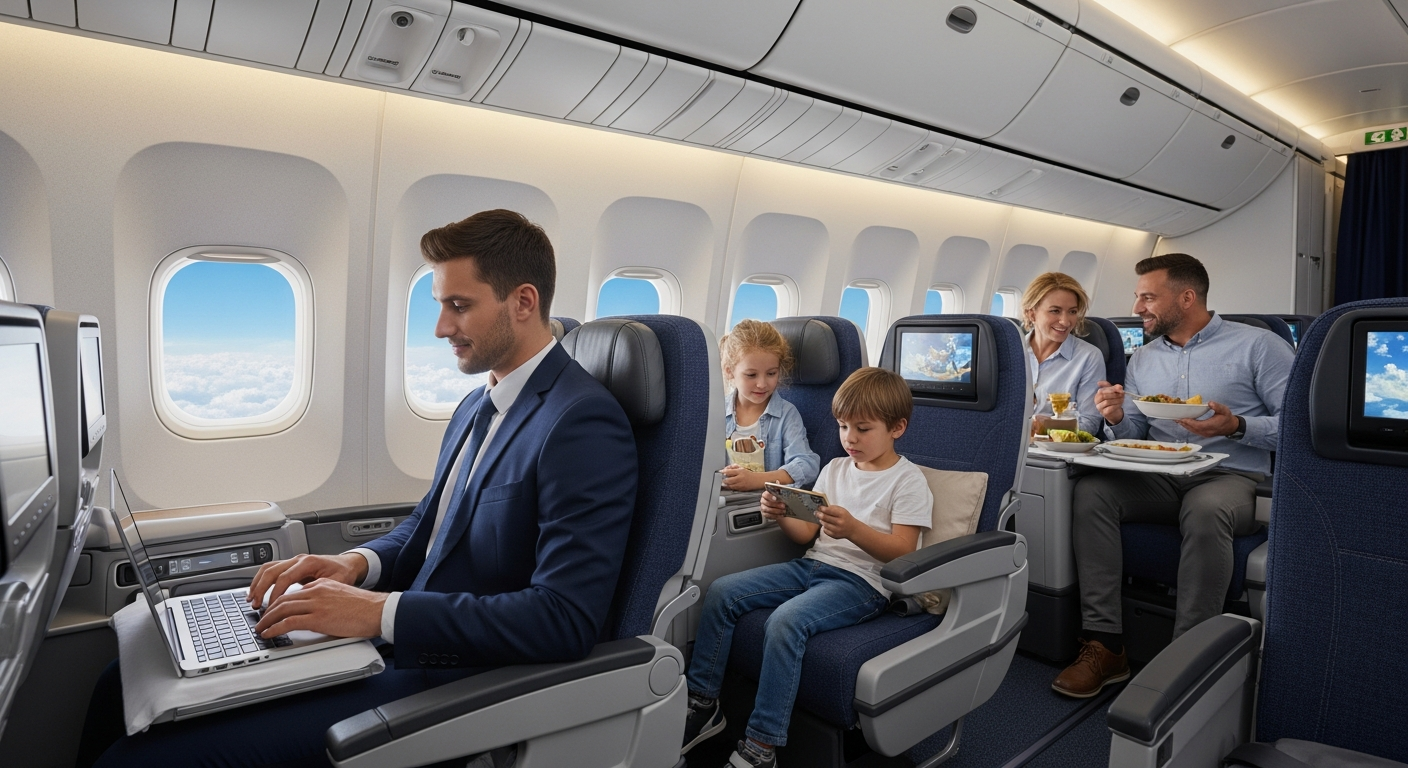
The airline serves leisure and business travelers seeking dependable scheduled flights within and from the United States. Key segments include frequent flyers, families and vacation travelers, time-sensitive business passengers, and travelers connecting through major hubs who value clear communication and consistent service standards.

Inside the business
Running a large passenger airline requires synchronized execution across safety, operations, and service. Nano Masters AI Airline aligns planning, people, and processes to deliver dependable schedules while protecting passenger experience during disruption.
Operating model
The airline operates scheduled routes supported by integrated teams across flight operations, dispatch, maintenance, airport operations, crew scheduling, and customer service. Daily operations are coordinated through operations control, with standardized SOPs for turnarounds, irregular operations, and escalation. Performance is managed via operational KPIs (on-time, completion, mishandled baggage) and customer KPIs (NPS/CSAT, complaint rates), with recurrent training and compliance checks to maintain readiness.
Market dynamics
Passenger airlines face tight margins, volatile fuel prices, fluctuating demand, capacity constraints at major airports, and heightened customer expectations for transparency. Reliability and service recovery are key differentiators, while regulatory oversight and safety requirements demand rigorous documentation, training, and auditability. Labor availability and workforce readiness materially affect on-time performance and customer outcomes.
What changed recently (fictional)
Nano Masters AI Airline has recently emphasized operational resilience and customer communication during irregular operations, strengthened frontline training for consistent service delivery, and expanded internal readiness practices to support safety-critical roles and high-volume operations.
Key performance metrics (KPIs)
These KPIs reflect what leaders typically track in Passenger Airlines. Each metric connects to decisions that drive outcomes.
Decision scenarios (what leaders actually face)
The scenarios below are written to resemble realistic situations in Passenger Airlines. They’re designed for practice, discussion, and evaluation — where context, trade-offs, and escalation matter.
A line of thunderstorms closes a key hub for two hours, creating missed connections, gate constraints, and crew duty-time pressure. Social channels are filling with complaints and call volumes spike. You must choose how to prioritize recovery for the next 6–10 hours.
What this scenario reveals
Tradeoffs between customer impact, network integrity, crew legality, and cost; quality of operational decision-making under uncertainty and ability to communicate clearly during disruption.
During boarding, a passenger reports a strong odor near an overhead bin and posts a video. The cabin crew is uncertain whether it is a spill, an electrical issue, or a harmless smell. Departure slot is tight and the gate is congested.
What this scenario reveals
Adherence to safety-first culture, ability to apply SOPs, escalation judgment, and passenger communication skills that prevent small issues from becoming reputational crises.
Common failure points (and why they happen)
In passenger aviation, small breakdowns compound quickly across safety, operations, and customer experience. The most common failure points are process inconsistencies, unclear escalation, and uneven readiness across frontline roles.
Inconsistent SOP execution during turnarounds
When turnaround tasks vary by station or team, delays, baggage errors, and safety risks increase. Standardization and practiced handoffs reduce variability and improve on-time performance.
Weak disruption communication and service recovery
If passengers receive late or conflicting updates, call volume surges and trust erodes. Clear scripts, empowered frontline decisions, and proactive rebooking reduce churn and complaints.
Escalation gaps between frontline, operations control, and maintenance
Unclear decision rights and slow escalation create avoidable cancellations or safety exposure. Defined thresholds and scenario practice speed up correct decisions under pressure.
Readiness drift in safety-critical roles
Skills degrade without frequent practice and validation. Continuous training, checks, and targeted refreshers prevent compliance misses and improve performance during irregular operations.
Readiness & evaluation (fictional internal practice)
Readiness means crews and frontline teams can execute procedures correctly, communicate confidently, and make safe decisions—especially when the operation is stressed.
How readiness is checked
Readiness is checked through recurrent training completion, scenario-based simulations (irregular operations, customer escalation, safety events), supervisor observations, audit results, and targeted knowledge checks tied to SOPs and regulatory requirements.
What “good” looks like
Good readiness looks like: consistent SOP adherence, correct escalation within defined time thresholds, clear passenger communication, accurate documentation, and stable performance across stations and shifts (not just top-performing teams).
Example readiness signals
Examples include: crews consistently meeting briefing and checklist standards; faster recovery times during disruptions; fewer audit findings; reduced customer complaints during delays; and improved decision quality in simulated emergency and escalation scenarios.
Company images
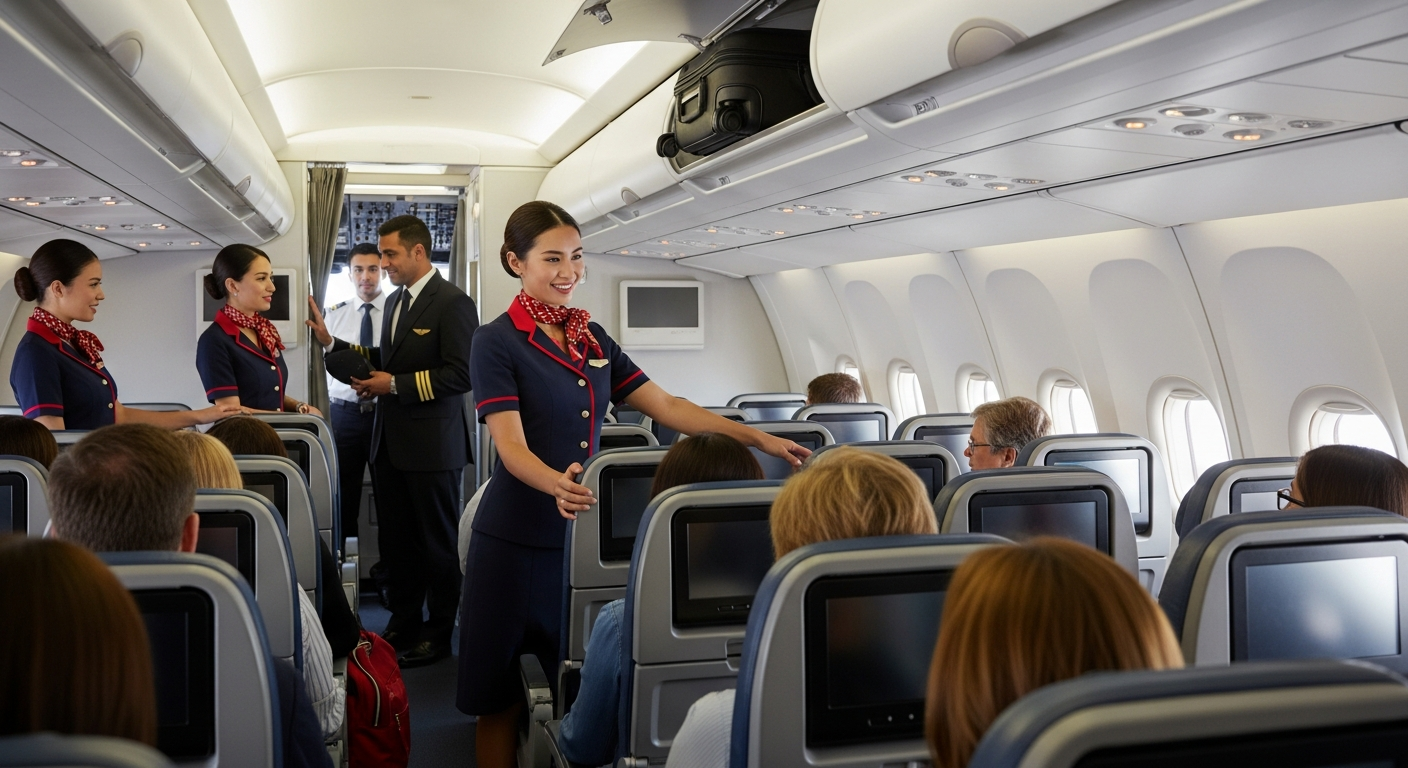
Visual context for learning (fictional, AI-generated). Three views help learners anchor decisions in a believable setting.


FAQ
Short answers to common questions related to Passenger Airlines operations and decision readiness.
What does Nano Masters AI Airline do?
Nano Masters AI Airline (Nano Passenger Airlines) operates scheduled passenger flights and provides travel services focused on convenient routing, customer comfort, and reliable operations.
Where is Nano Masters AI Airline based?
The company is based in the United States and serves passengers traveling within and from the U.S. market.
How does the airline prioritize safety and compliance?
It relies on standardized procedures, recurrent training, clear escalation paths, and ongoing audits to maintain safety and regulatory compliance across operations.
Who are the primary customers of Nano Masters AI Airline?
The airline serves leisure travelers, business travelers, and connecting passengers who value predictable schedules, clear communication, and dependable service recovery.
Contact & information
Website: https://nanomasters.ai/blueprint-company/nano-masters-ai-airline
Location: United States
Industry: Passenger Airlines